Is It True That Topping a Tree Makes It Grow Back Thicker and Fuller?
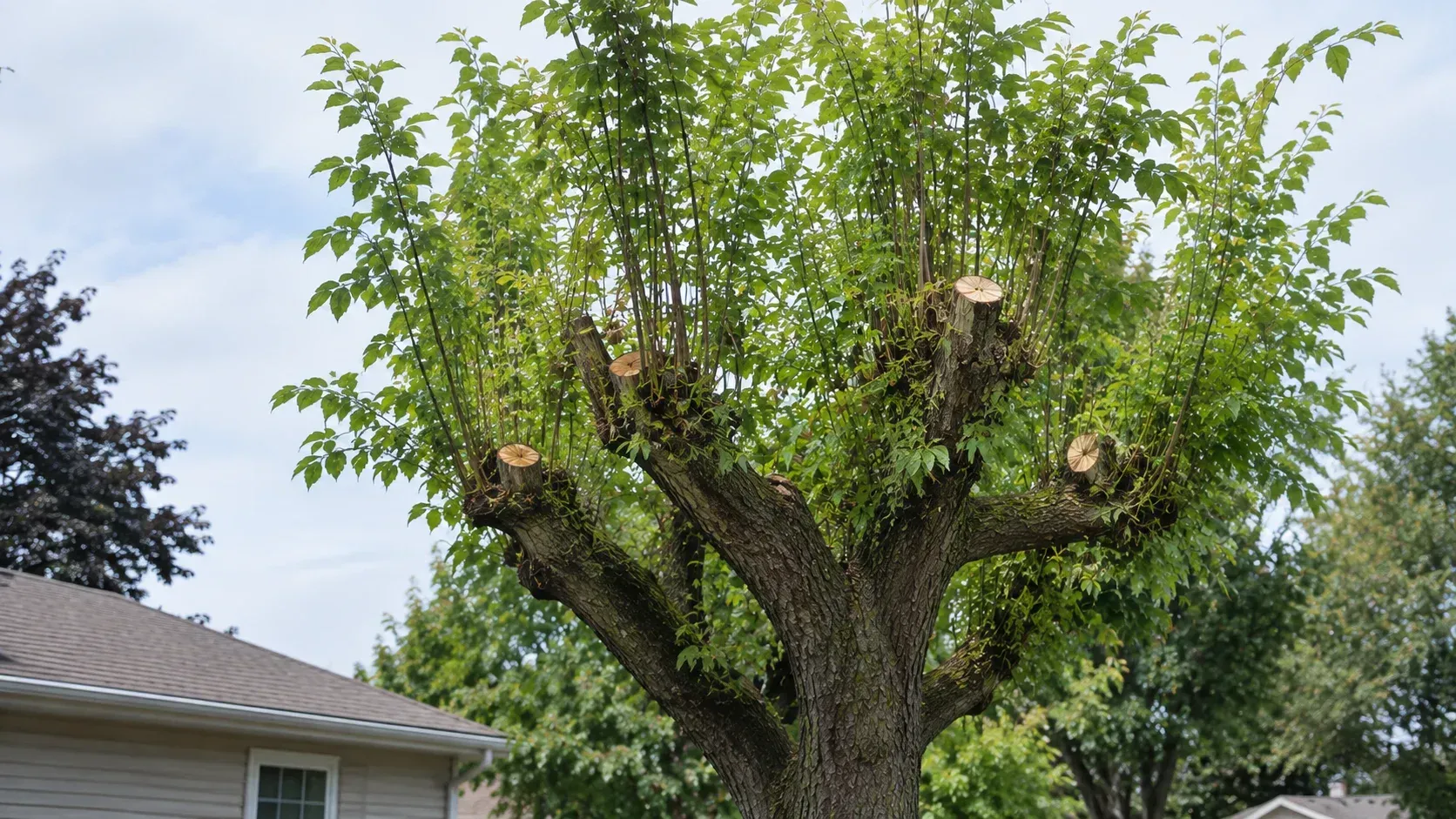
Table of Contents
- Introduction
- Does Topping a Tree Help It Grow Back Fuller, or Just Look That Way
- What Epicormic Sprouts Actually Are
- The Tree Topping Myth and Where It Came From
- Tree Topping Damage That Shows Up Years Later
- Why a Topped Tree Becomes More Dangerous, Not Less
- What Topping Costs You Beyond the Tree
- Crown Reduction Is the Thing People Actually Want
- What to Do With a Tree That Has Already Been Topped
- Conclusion
- Ask About Crown Reduction Instead of Topping
- Frequently Asked Questions
Key Takeaways
- No. Topping does not make a tree grow back thicker or fuller in any healthy sense. It triggers a flush of weakly attached shoots that grow fast and break easily.
- Those shoots come from dormant buds just under the bark and attach only to the outer layers, unlike a normal branch anchored deep in the trunk.
- The regrowth is denser and taller than what was removed, so a tree topped for height control usually needs doing again within a few years.
- Every topping cut is an open wound in the middle of a stem, with no collar to seal it, so decay enters where the new shoots are attached.
- Crown reduction is the legitimate version of what people want, and it is a different operation with a different result.
Introduction
No, topping a tree does not make it grow back thicker or fuller in any way worth having. What it actually does is force the tree to push out a mass of weakly attached shoots from dormant buds around each cut, and those shoots grow quickly, crowd together and break far more readily than the branches they replaced. The tree looks bushier within a couple of seasons. It is structurally worse off than it was before, and it will stay that way.
We get called out to topped trees regularly, usually because one of those regrown shoots has failed onto something. Restoration pruning makes up a fair amount of our work, rebuilding trees that somebody shortened with a chainsaw years earlier, and it is slower and more expensive than doing it properly would have been.
Here is what topping actually does, and what to ask for instead.
Does Topping a Tree Help It Grow Back Fuller, or Just Look That Way
Take the claim seriously for a moment, because there is a grain of observation behind it.
A topped tree does produce dramatic new growth. Within a season or two there is a dense mass of new shoots where the cuts were made, often growing faster than the tree has grown in years. From the ground, it looks like the tree responded well and came back stronger.
That impression is the problem, because the vigour is a stress response rather than a sign of health. The tree has just lost a large share of the foliage it uses to feed itself, and it is spending stored energy reserves on emergency regrowth to replace that food factory as fast as possible. Fast growth here means desperate, not thriving.
And the new growth is structurally different from what it replaced, which is the part that matters and the part nobody can see from the driveway.
What Epicormic Sprouts Actually Are
The proper name for those shoots is epicormic sprouts, sometimes called water sprouts, and understanding how they attach explains everything else in this article.
A normal branch develops from the growing tip of the tree, and its tissues become interlocked with the trunk over years of growth. It is anchored deep, and the union between branch and trunk is genuinely strong.
Epicormic sprouts come from dormant buds sitting just beneath the bark. They are produced rapidly in response to stress, and they are attached only to the outer layers of the stem. They are not anchored into the wood the way a normal branch is.
Which gives them a predictable set of properties:
- Weak attachment. They are held superficially rather than structurally.
- Fast, upright growth, often much faster than normal branch growth.
- Dense clustering. Many shoots emerge from the same point, competing with each other.
- Poor form. They grow straight up rather than developing a natural branch structure.
- Increasing risk over time. A small sprout is harmless. The same sprout at fifteen feet and several inches thick, still attached only superficially, is a real hazard.
The last point is the one to sit with. The danger from topping is not immediate. It arrives in five to ten years, when the regrowth has become large enough to hurt somebody.
The Tree Topping Myth and Where It Came From
It is worth understanding why this belief persists, because it is not stupid, it is just wrong.
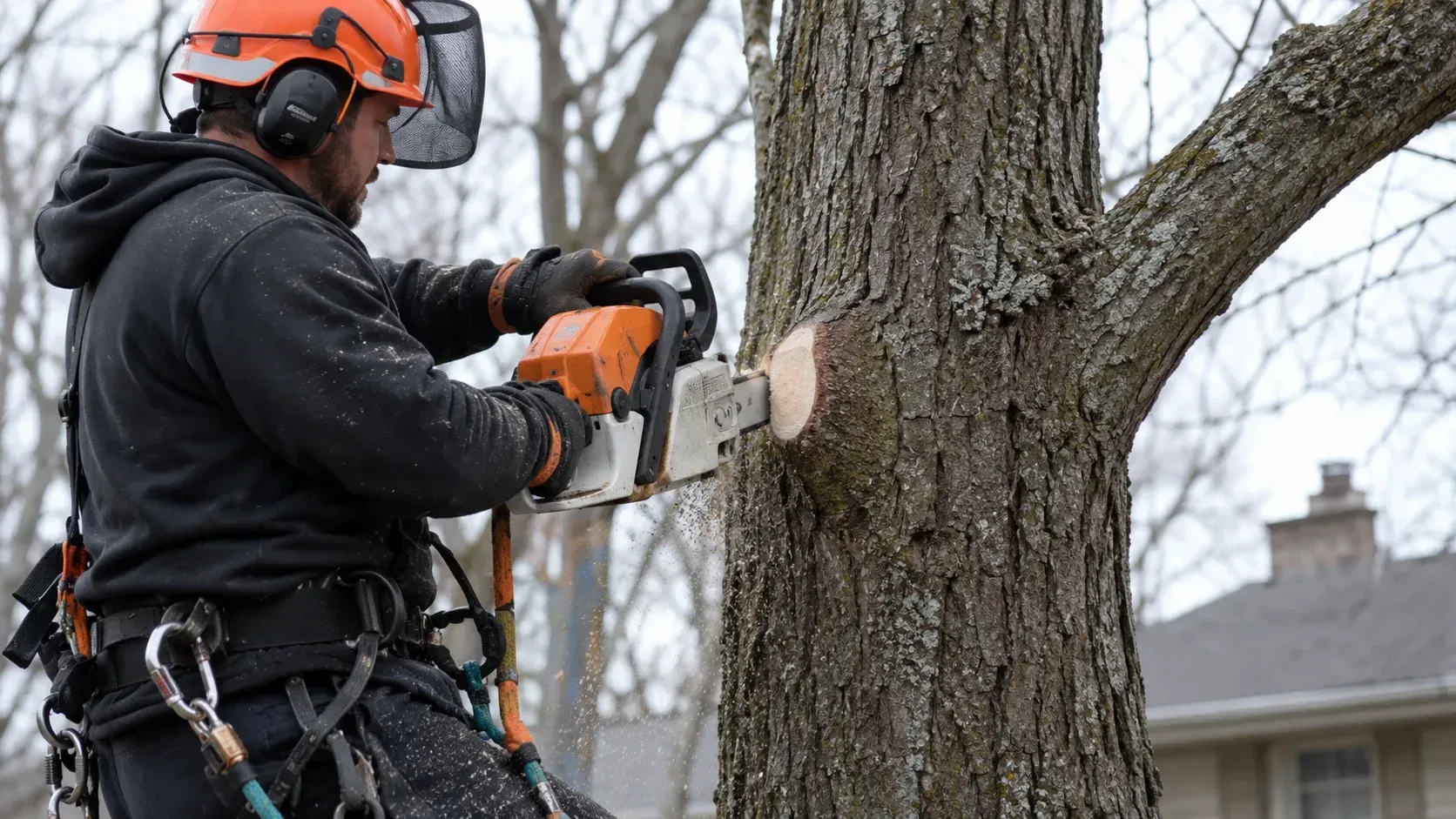
People top trees for reasons that make sense on their face. A tree has grown too tall for the space. It is near a roof or a line. Somebody wants more light. A storm went through and the tree feels threatening. Reducing height seems like an obvious answer, and a chainsaw makes it achievable in an afternoon.
The visible result appears to confirm the decision. The tree does not die. It comes back dense. Somebody says the tree "loves it," and the story propagates.
What that story leaves out is the timeframe. The consequences of topping mostly arrive after the point where anyone connects them to the decision. Decay takes years to hollow a stem. Sprouts take years to become heavy. By the time a regrown limb fails, the topping is a decade in the past and gets blamed on the storm instead.
There is also the shortening problem. Topping does not control height for long, because the epicormic response is vigorous. A tree topped for clearance frequently exceeds its previous height within several years, with worse structure. So it gets topped again, and each round adds more wounds and more weak attachments.
Tree Topping Damage That Shows Up Years Later
What actually happens to a topped tree, beyond the sprouts:
- Open wounds mid-stem. Topping cuts are made in the middle of a branch or trunk, where there is no branch collar and therefore no structure to seal the wound. They are the worst kind of cut for closure.
- Decay entering the stem. With no collar boundary, decay moves into the wood at each cut point, which is precisely where the new sprouts are attached.
- Sprouts attached to rotting wood. This combination is what produces failures. Weak attachment plus decaying attachment point plus a heavy grown-out limb.
- Starvation. Removing a large share of the canopy removes the tree's food production, and the emergency regrowth draws down stored reserves.
- Sunscald. Branches and trunk that were shaded by the canopy are suddenly exposed, and bark can be damaged by direct sun.
- Increased vulnerability to pests and disease, because a stressed tree defends itself less effectively.
- Permanent loss of form. The natural shape does not come back. What grows is a different, worse architecture.
- Shortened life. A topped tree generally does not live as long as it would have.
Notice that the visible regrowth, the thing people point to as evidence topping worked, is sitting directly on top of the decay column the topping created.
Why a Topped Tree Becomes More Dangerous, Not Less
This is the sharpest irony in the whole practice, because trees are very often topped specifically out of storm fear.
A properly structured tree has branches anchored deep into the trunk, a canopy that moves and sheds wind load, and wood that has developed under the loads it actually experiences. It is built for weather.
A topped tree, ten years on, has multiple heavy limbs attached only to the outer layers of a stem that is decaying at the attachment point, clustered tightly so they crowd and rub, growing upright in a way that catches wind and snow load rather than shedding it.
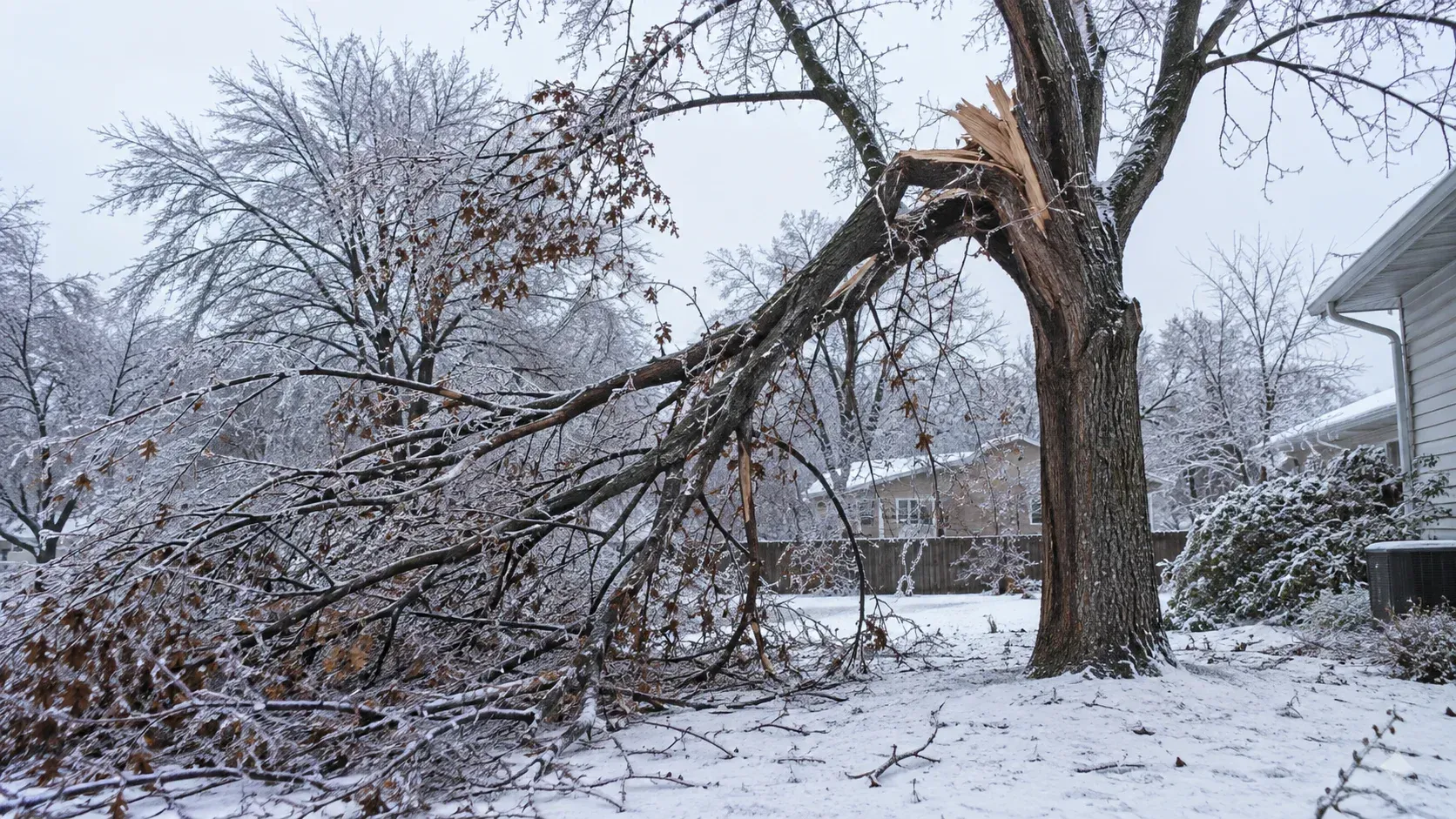
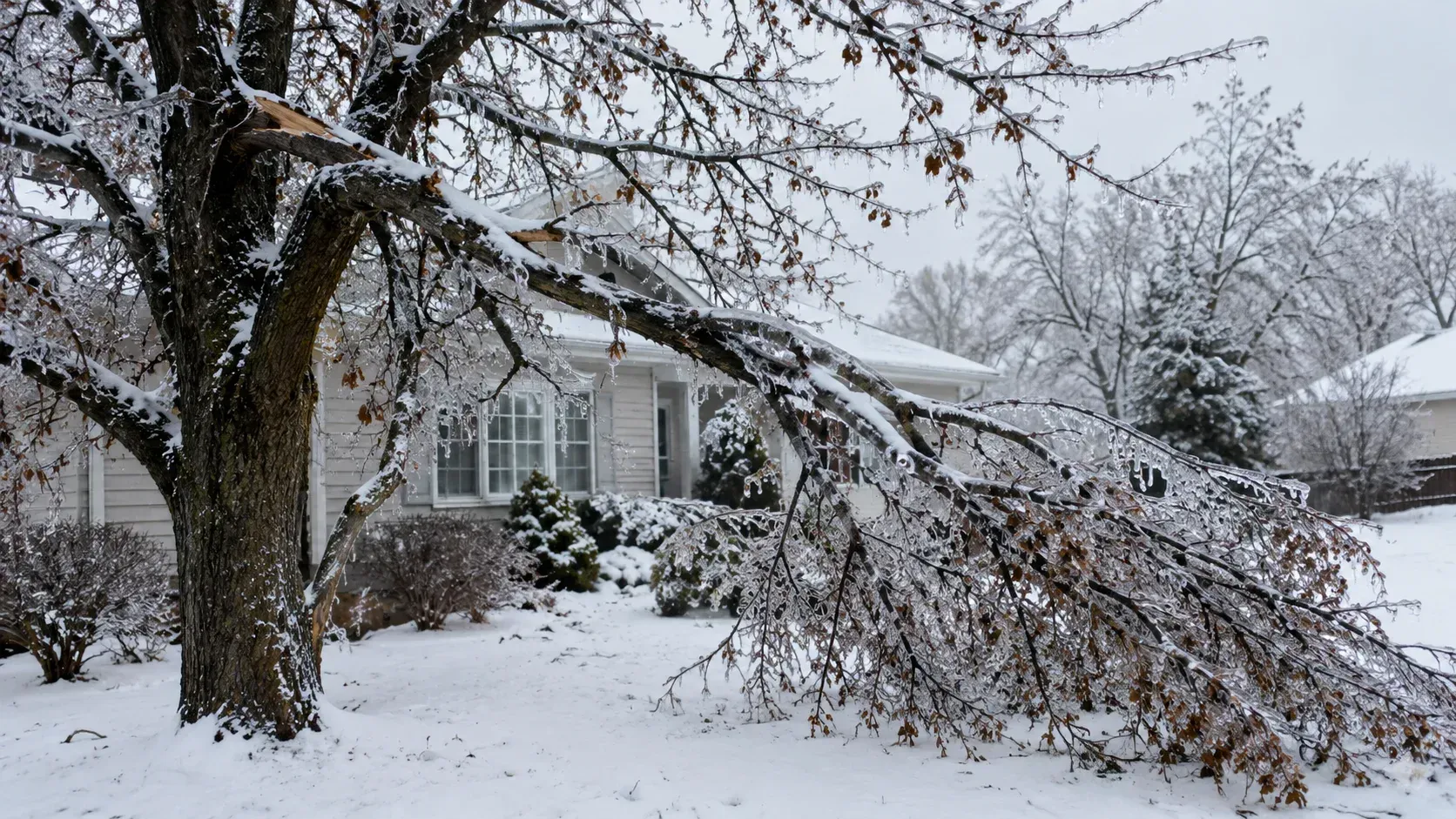
Which is why topped trees show up so reliably in our storm work. An ice event or a heavy wet snow finds those attachments. The homeowner who topped the tree to make it safer has, over a decade, made it considerably more likely to drop something.
If storm safety is the actual goal, the answers are selective pruning to reduce sail area and remove deadwood, structural work on weak unions, and in some cases removal and replanting with a species suited to the space. Topping is not on that list.
What Topping Costs You Beyond the Tree
The financial picture is not what people expect either.
Topping looks cheap because it is quick. But the regrowth means the work recurs, usually on a shorter cycle than proper pruning would. Then there is the corrective work, which is slower and more skilled than the topping was. Eventually there is often a removal, earlier than it would otherwise have been, plus replanting and the decades of waiting that come with a new tree.
There is also a property value dimension. Mature trees in good condition contribute to a property. A topped tree with a disfigured crown and visible decay does not, and it may read to a buyer or an inspector as a liability rather than an asset.
And if a limb from a topped tree fails onto something, the fact that the tree was topped is not helpful to you in the conversation that follows.
Crown Reduction Is the Thing People Actually Want
Here is the constructive part, because the underlying goal is usually legitimate.
Crown reduction shortens a tree by cutting each branch back to a lateral branch large enough to take over as the new leader for that limb. The tree keeps a functioning branch at every cut point, the wound is made at a proper union rather than mid-stem, and the result follows the tree's natural form rather than replacing it.
The differences that matter:
| Topping | Crown reduction | |
|---|---|---|
| Where the cut is made | Mid-stem, no union | Back to a suitable lateral branch |
| Wound closure | Poor, no collar | Normal, at a proper union |
| Regrowth | Dense weak epicormic sprouts | Growth continues from the retained lateral |
| Resulting form | Disfigured | Natural shape maintained |
| Structural result | Weaker over time | Structure retained |
| How long it lasts | Regrows fast, needs redoing | Longer-lasting result |
Two honest caveats. Not every tree is a good candidate, because a tree that needs a drastic height reduction may not have suitable laterals to cut back to, and there are limits to how much can come off in one season. And where a tree is simply in the wrong place for its mature size, the more honest answer is removal and replanting rather than fighting it every few years.
What to Do With a Tree That Has Already Been Topped
If this article is arriving too late, the tree is not necessarily finished.
Restoration pruning can rebuild a topped tree over several years. The approach is to select the strongest, best-placed sprouts at each cut point and gradually remove the rest, so the tree develops a smaller number of better-attached leaders rather than a crowded cluster. It takes multiple visits across years, because removing everything at once would stress the tree again.
What to do in the meantime:
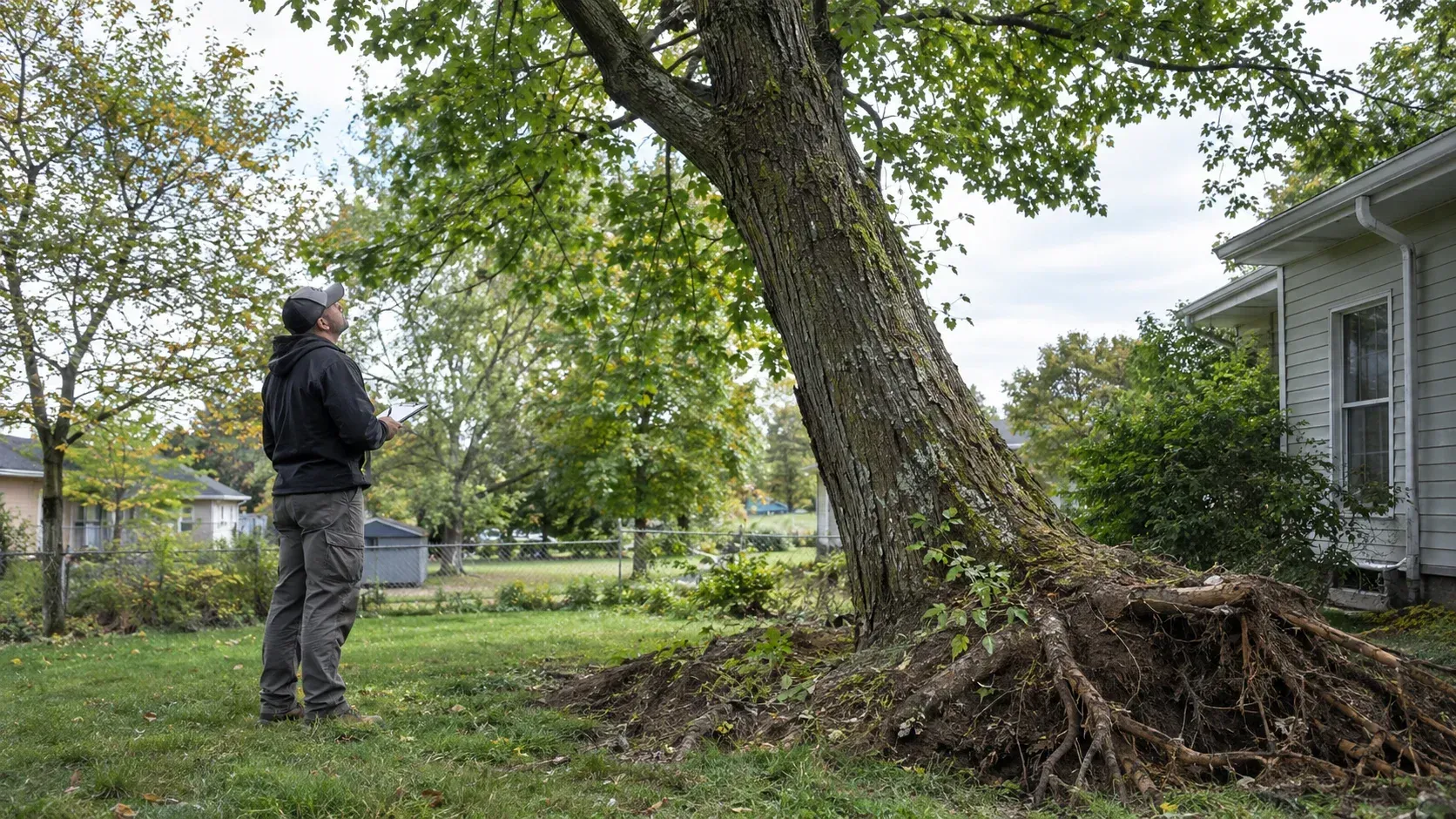
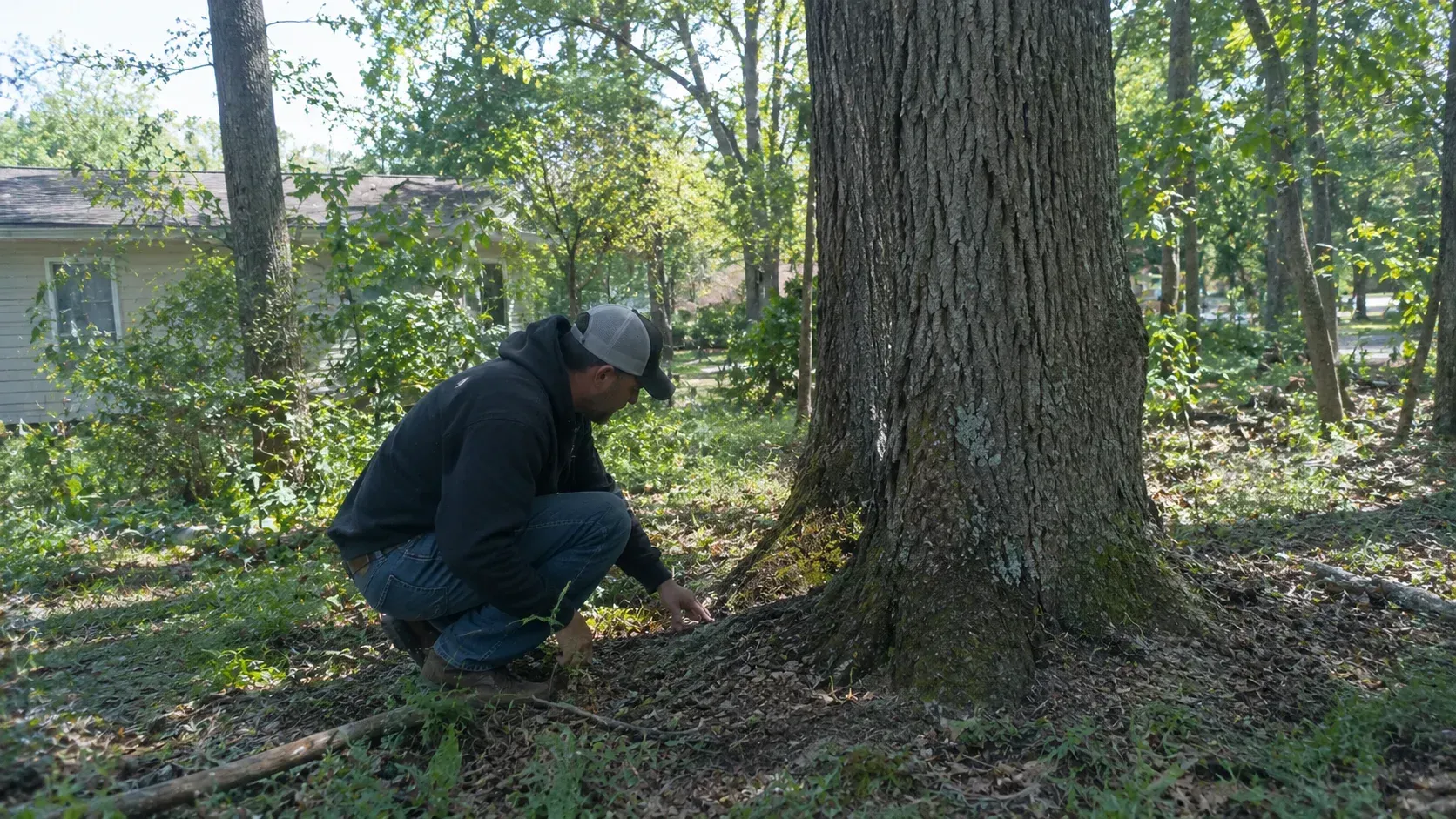
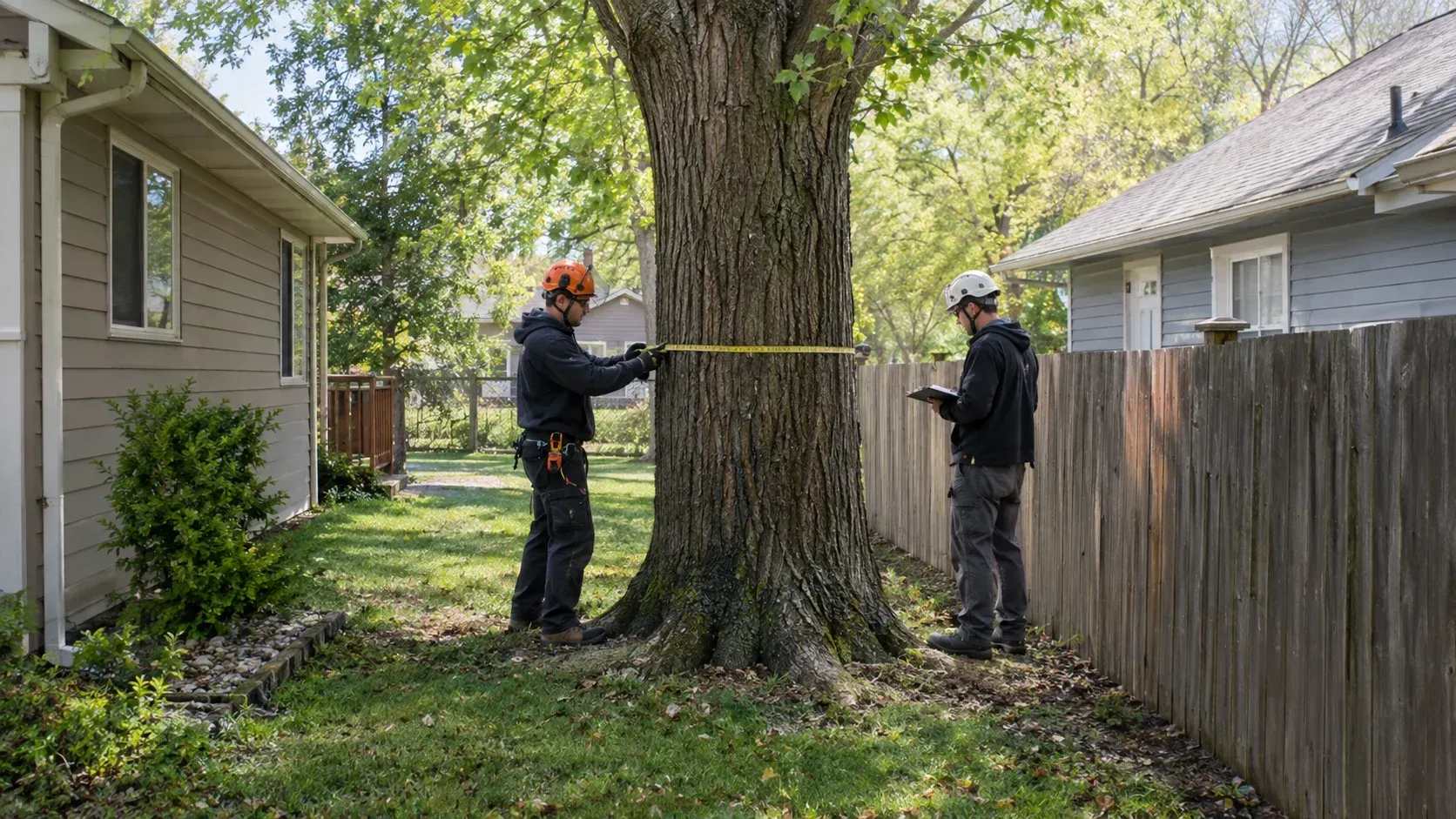
- Have it assessed, particularly for decay at the old topping cuts, which is where failure starts
- Look at what is underneath it and treat a topped tree over a driveway or play area differently from one over open lawn
- Do not top it again. Each round compounds the problem
- Expect it to need monitoring rather than one fix
- Accept that removal may be the right answer if decay is advanced, particularly on a tree over a target
Restoration works better the sooner it starts. A tree topped two years ago is a much better candidate than one topped fifteen years ago with heavy regrowth on decayed attachment points.
Conclusion
Topping does not make a tree grow back thicker or fuller. It makes it produce a crowd of weakly attached shoots that grow fast because the tree is in trouble, on top of wounds that cannot close properly and will decay.
The regrowth is real, which is why the myth survives. What it is not is structure. If the goal is a shorter tree, ask about crown reduction. If the goal is a safer tree, ask about selective pruning and structural work. If the tree is simply too big for where it is, the honest answer may be replacing it with something that fits, which is a better conversation than topping it every five years.
Ask About Crown Reduction Instead of Topping
If a tree is too tall, too close to the house, or worrying you ahead of storm season, there is usually a way to address it that does not involve cutting the top off. We inspect the tree's condition and growth pattern before trimming, prune selectively to strengthen structure and balance, and work to maintain the tree's natural shape.
Arbor Barber Tree Service is locally owned and operated in Lakeville, with certified arborists and over 20 years of experience, safety-focused and fully insured. If a tree has already been topped, we can look at whether restoration pruning is worth starting or whether starting again with a new tree is the more honest answer.
We serve Lakeville, Apple Valley, Burnsville, Farmington and Rosemount. Call
(612) 703-0175.
Frequently Asked Questions
Does topping a tree kill it?
Usually not immediately, which is part of why the practice persists. It stresses the tree severely, opens wounds that decay, and generally shortens its life, but the tree often survives for years while becoming progressively less sound.
Why does a topped tree grow back so fast?
The fast growth is a stress response. Having lost much of the foliage it uses to make food, the tree spends stored reserves producing emergency shoots from dormant buds. Speed here indicates distress rather than health.
What is the difference between topping and crown reduction?
Topping cuts mid-stem with no regard for branch structure. Crown reduction cuts each branch back to a suitable lateral branch that takes over as the new leader, so the wound sits at a proper union and the tree keeps its natural form.
Can a topped tree be fixed?
Often it can be improved through restoration pruning over several years, selecting the best-placed sprouts and gradually removing the rest. It works far better on a recently topped tree than on one topped long ago with heavy regrowth.
Is topping ever the right choice?
As a pruning practice, no. There are specialised situations such as pollarding, which is a distinct technique started on young trees and maintained on a strict cycle, but that is not what happens when a tree is topped for height or storm fear.
Recent Posts