Introduction
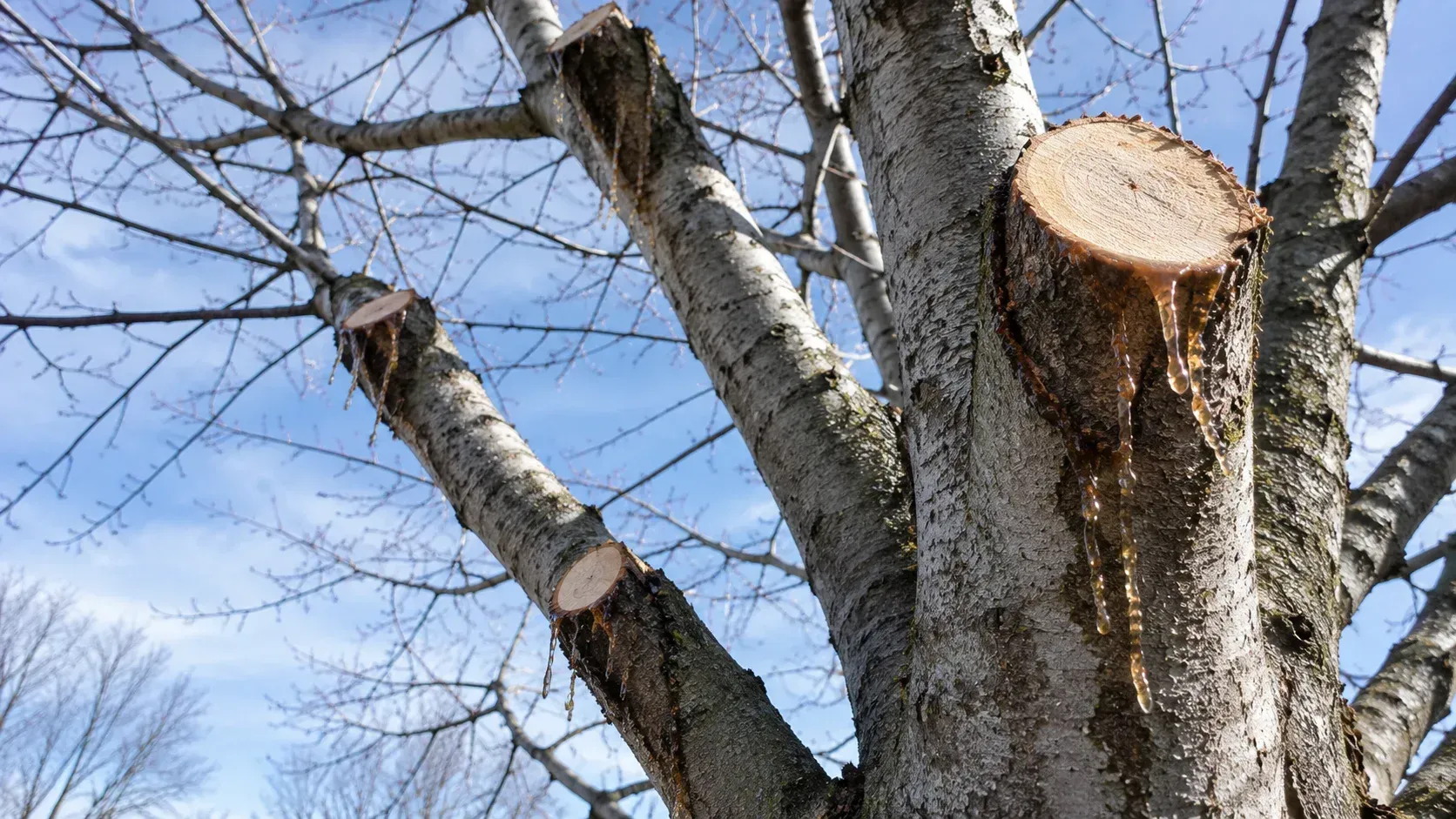
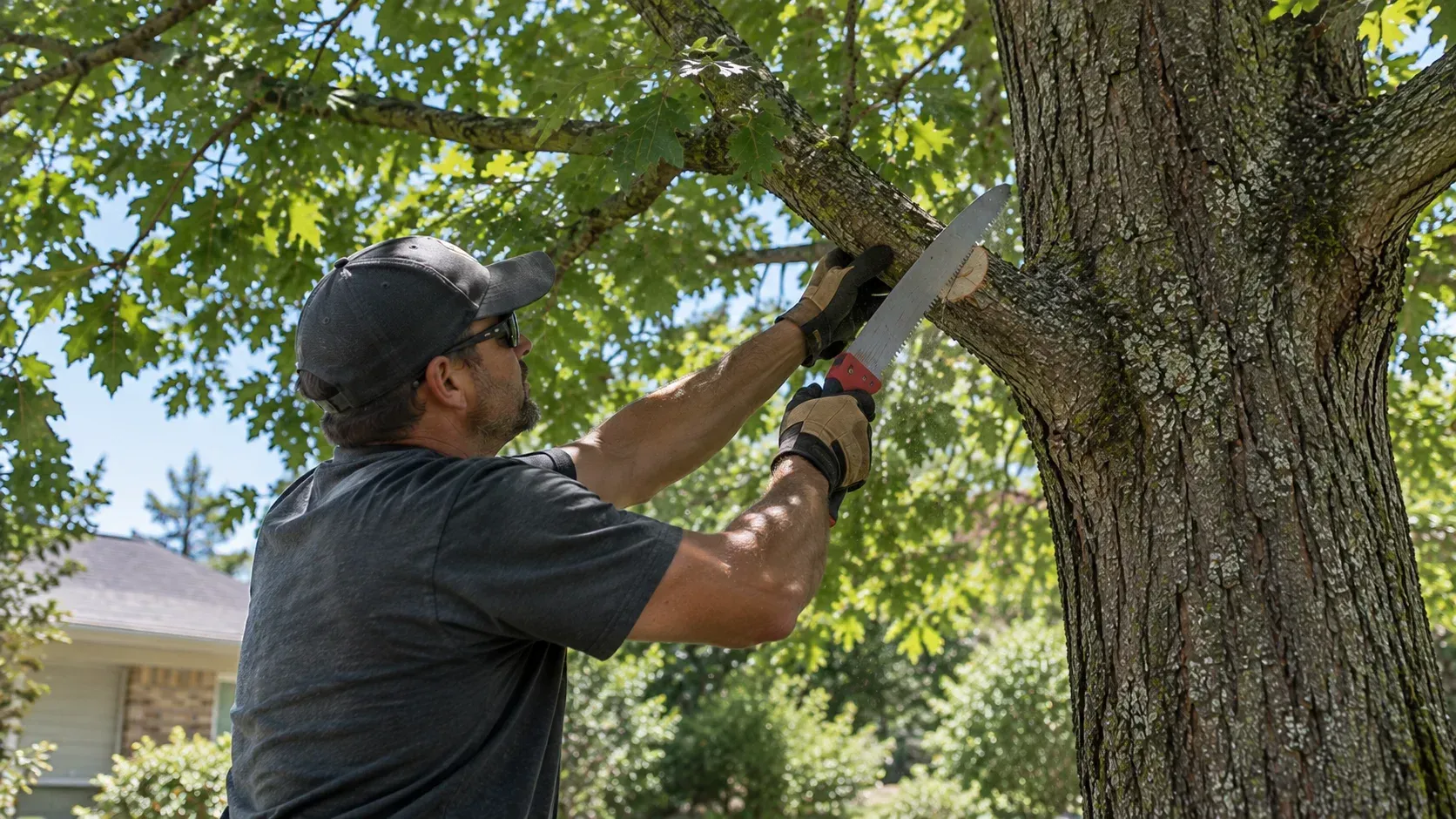
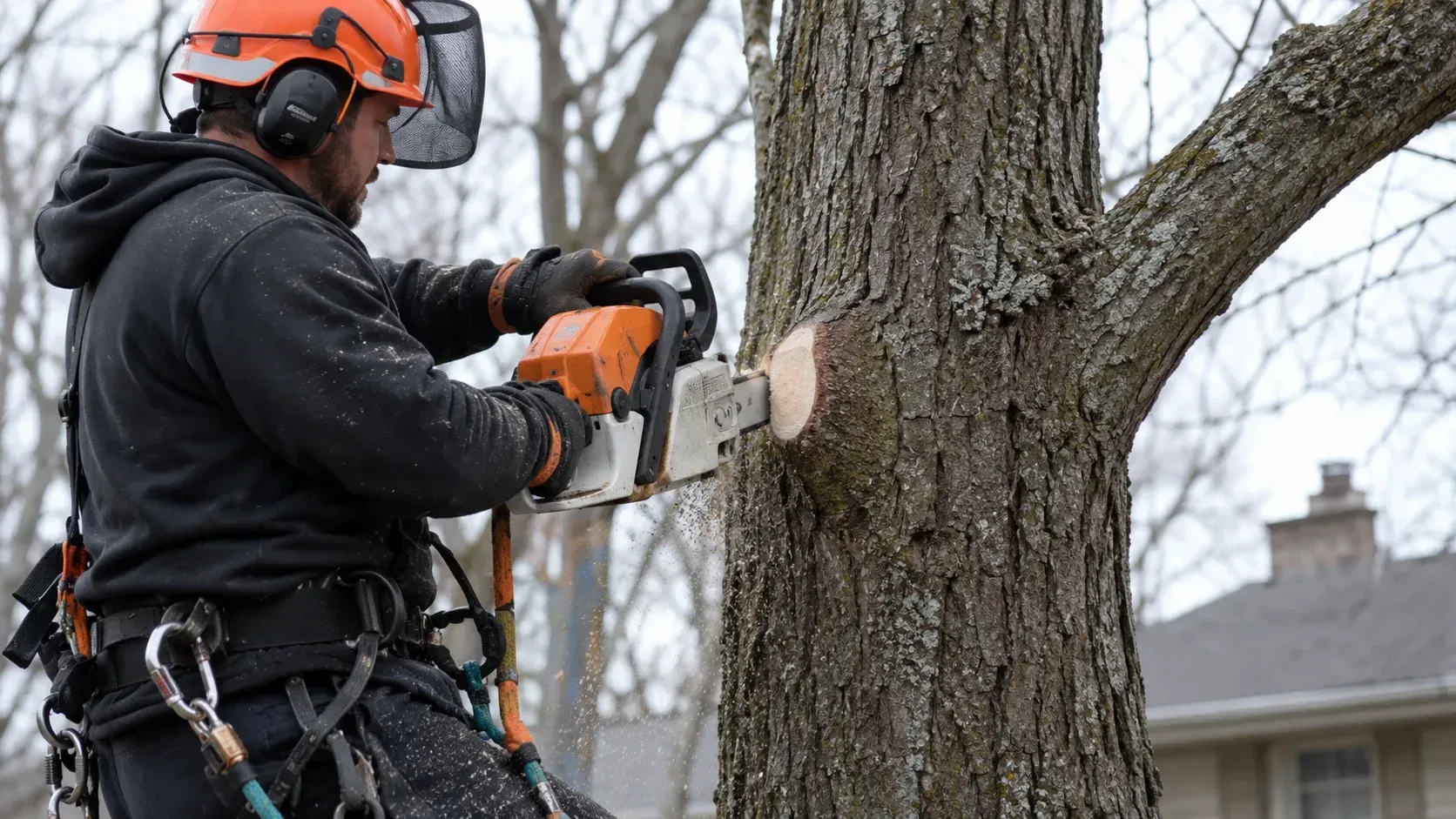
Prune a maple or birch in late winter or early spring, while the sap is rising, and it will bleed heavily from every cut, sometimes for days and sometimes for weeks. It runs down the bark, drips onto whatever is below, and looks alarming enough that people call us thinking they have killed the tree. They almost certainly have not. Bleeding rarely kills a healthy tree, though it does waste stored energy the tree would rather have spent on leafing out.
Scheduling pruning by species rather than by convenience is how we work around this, because the general advice to prune in the dormant season has a genuine exception for the bleeders, and that exception catches a lot of homeowners who did the reading and still got it wrong.
Here is what is actually happening, whether it matters, and when these species should be cut instead.
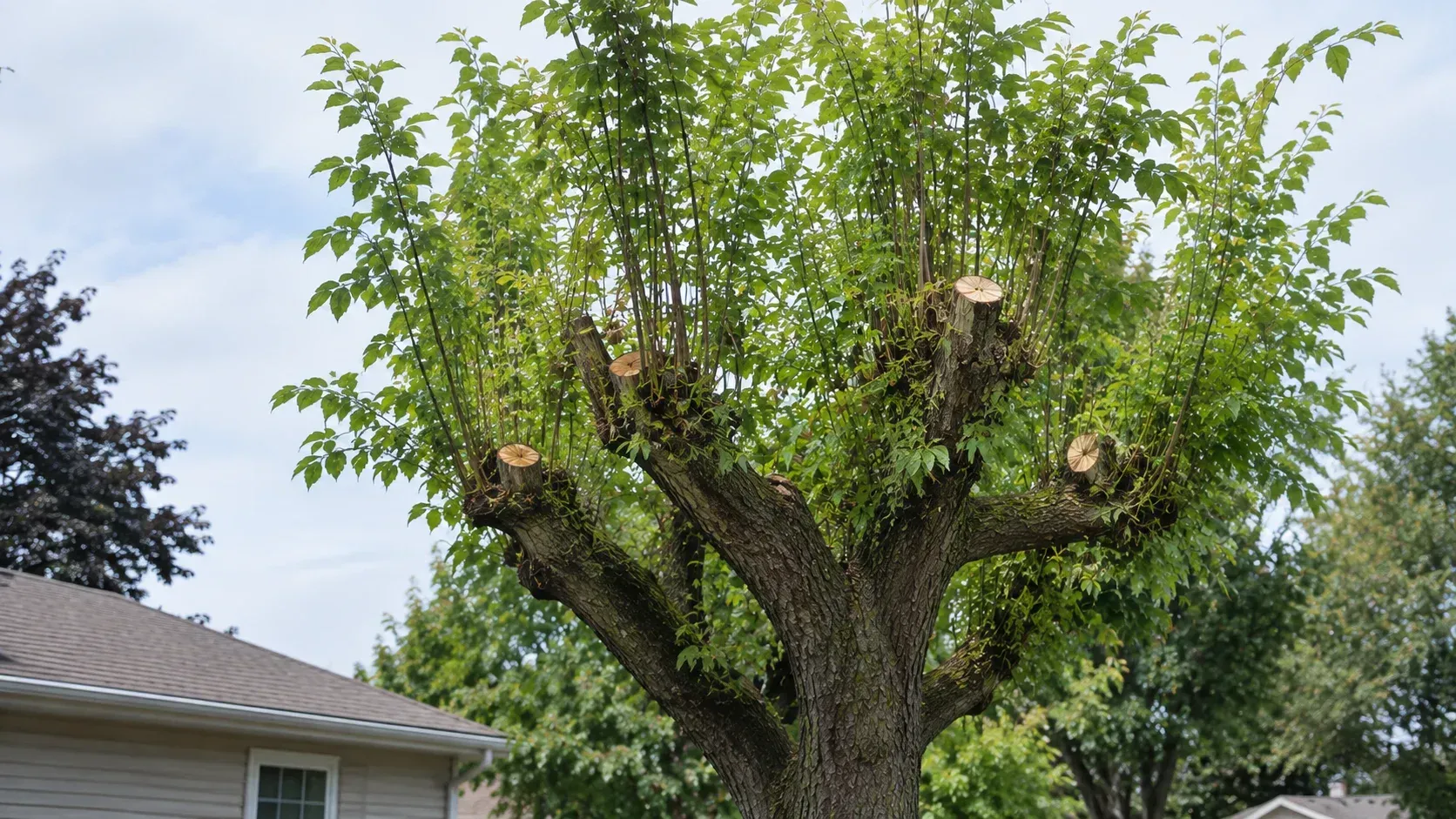
Pruning a Maple Tree at the Wrong Time of Year: What Actually Happens
The visible result is straightforward. Within hours of the cut, clear watery sap begins running from the wound. Depending on the tree and the weather it can be a slow weep or a genuine flow, and it can continue for weeks until the tree leafs out fully.
What follows:
- The sap runs down the trunk, leaving dark staining on the bark that persists long after the flow stops.
- It drips onto whatever is below. Vehicles, patios, decks and furniture all collect it, and it is sticky.
- A dark, fermenting-looking slime sometimes develops on the bark where sap has run, which is usually a harmless surface growth feeding on the sugars but looks concerning.
- Insects show up. Wasps, flies and ants are attracted to the sugar.
- The wound stays wet, which delays the tree beginning to close it.
None of that is what most people fear when they see it, which is that the tree is somehow draining itself to death. That is not what is happening.
Why Maple Tree Sap Bleeding Happens at All
The mechanism is the same one that makes maple syrup possible, which is a useful way to think about it.
In late winter, before the leaves emerge, maples and birches move large volumes of sap upward from the roots under significant internal pressure. That pressure builds on cold nights and warm days, which is exactly the freeze-and-thaw pattern our late winters produce. It is a seasonal pumping system, and it is why sugarbush operations tap in late winter rather than in July.
Cut into a tree while that system is pressurised and the sap comes out. It is not bleeding in the sense of an injury draining a body. It is pressurised fluid escaping through an opening, and it stops when the pressure drops, which happens once the tree has leaves and switches to moving water through transpiration instead.
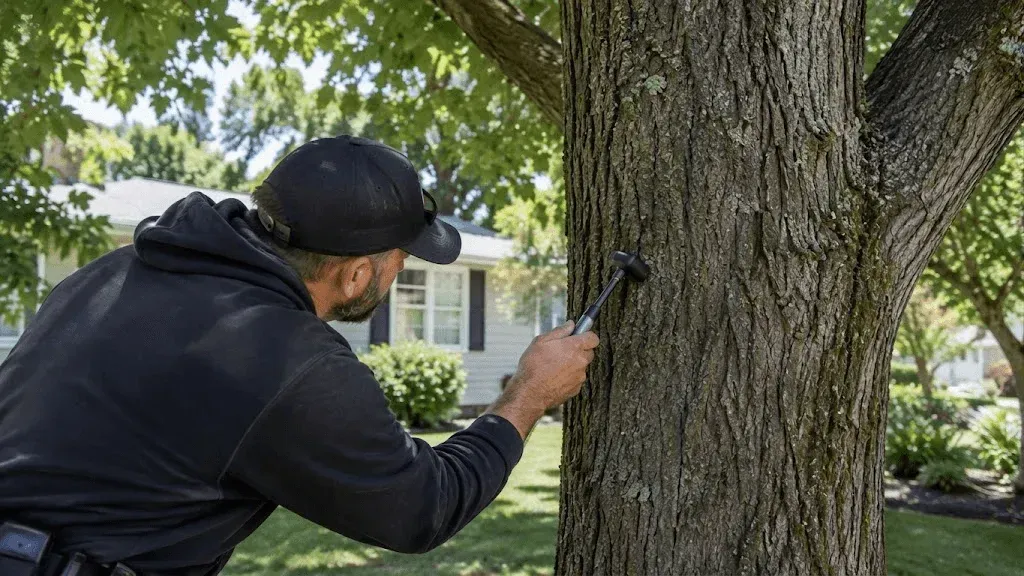
Species that do this noticeably include the maples and birches, and also walnut, elm and a few others. The trait is often described as being a "bleeder," and it is a property of the species rather than a sign of poor health.
Is Bleeding Actually Harmful to the Tree?
Mostly no, and it is worth being accurate here rather than alarming.
A healthy, established maple or birch that bleeds after a late-winter cut will almost always be fine. It is not going to die from it, and the flow stops on its own. The old advice to seal the wound to stop the bleeding is wrong on both counts: it does not reliably stop it, and wound dressings are no longer recommended because they can trap moisture against the wound.
What the bleeding does cost:
- Stored energy. The sap carries sugars the tree mobilised for leafing out. Losing a quantity of it is a real if modest cost at a demanding time of year.
- Delayed wound closure. A wound that stays wet for weeks does not begin closing as promptly as a dry one.
- The mess, which is not the tree's problem but is frequently the homeowner's.
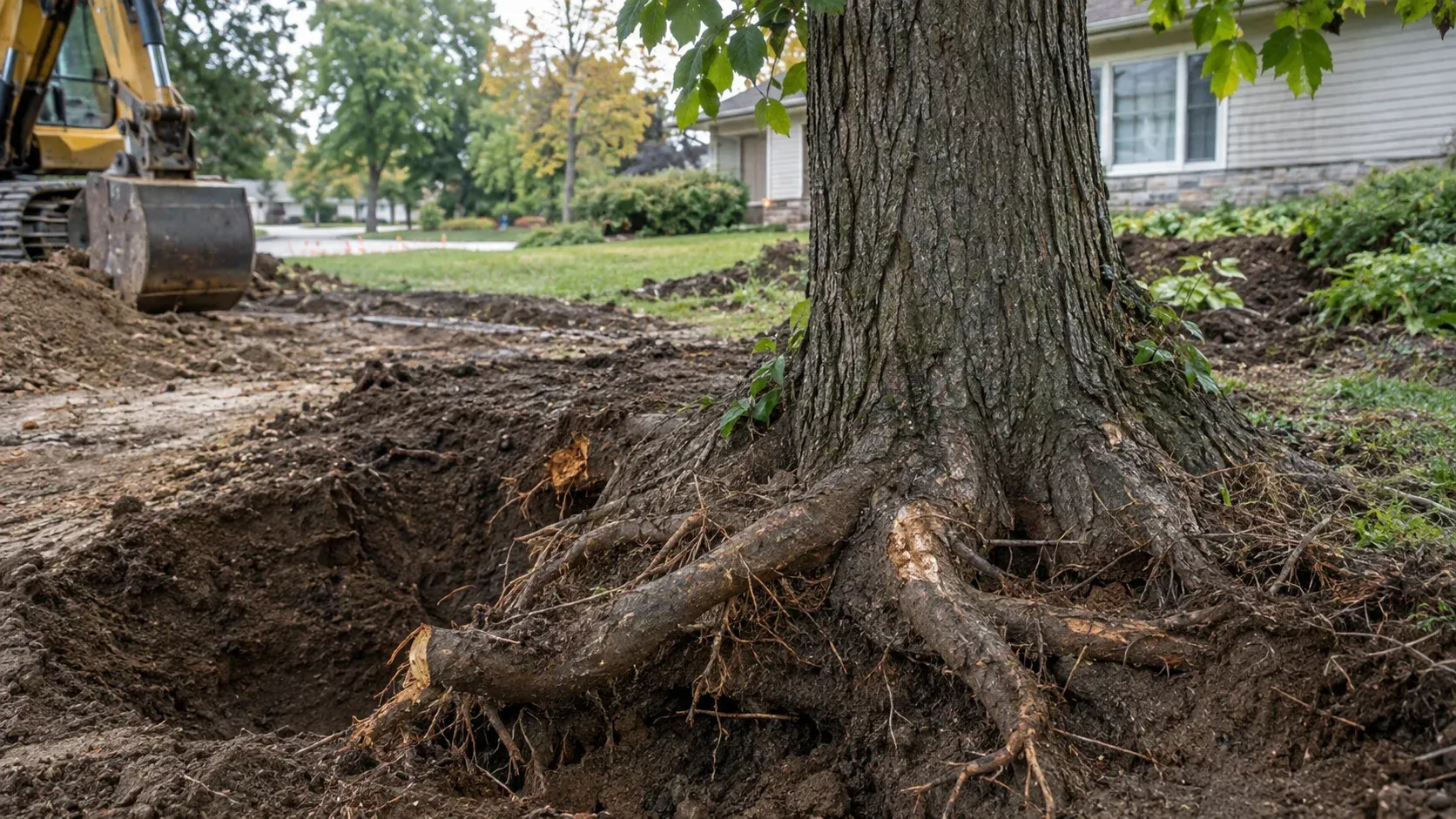
The caveat is condition. A tree already stressed by drought, root damage, construction injury or disease has less margin, and heavy bleeding is a cost it is less able to absorb. On a compromised tree, timing matters more.
So the honest summary: on a healthy tree it is mostly cosmetic and mildly wasteful. On a struggling tree it is worth avoiding.
When to Prune Maple and Birch Instead
The practical windows for the bleeders:
- Late spring into summer, once leaves are fully out. The sap pressure has dropped, the tree is actively growing and closes wounds efficiently, and you can see the canopy you are shaping.
- Late fall into early winter, after leaf drop but before the deep freeze. Sap flow has not started, and the tree is heading into dormancy.
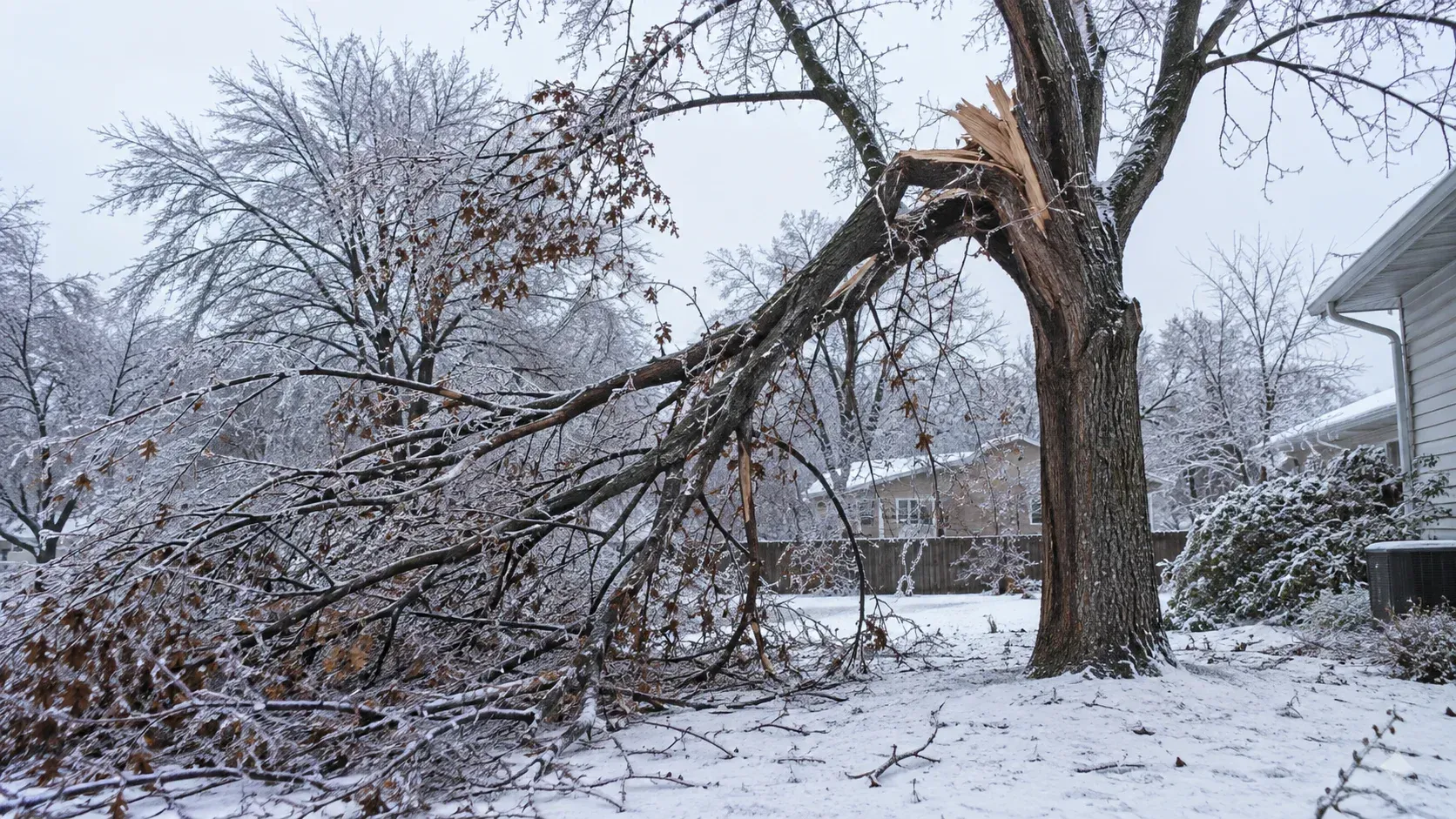
- Any time for genuine hazards. A broken, hanging or dangerous limb comes off when it is found, whatever the month. Safety beats sap.
What to avoid on these species is the late winter to early spring window, which is unfortunately the exact period most general pruning advice recommends, because for most other species it is the right answer.
That is the whole trap. Somebody reads that dormant-season pruning is best, waits for a mild February day, prunes their maple, and watches it run for a month.
Birch Tree Pruning Season Has a Second Complication
Birch deserves separating out, because bleeding is not its main timing issue.
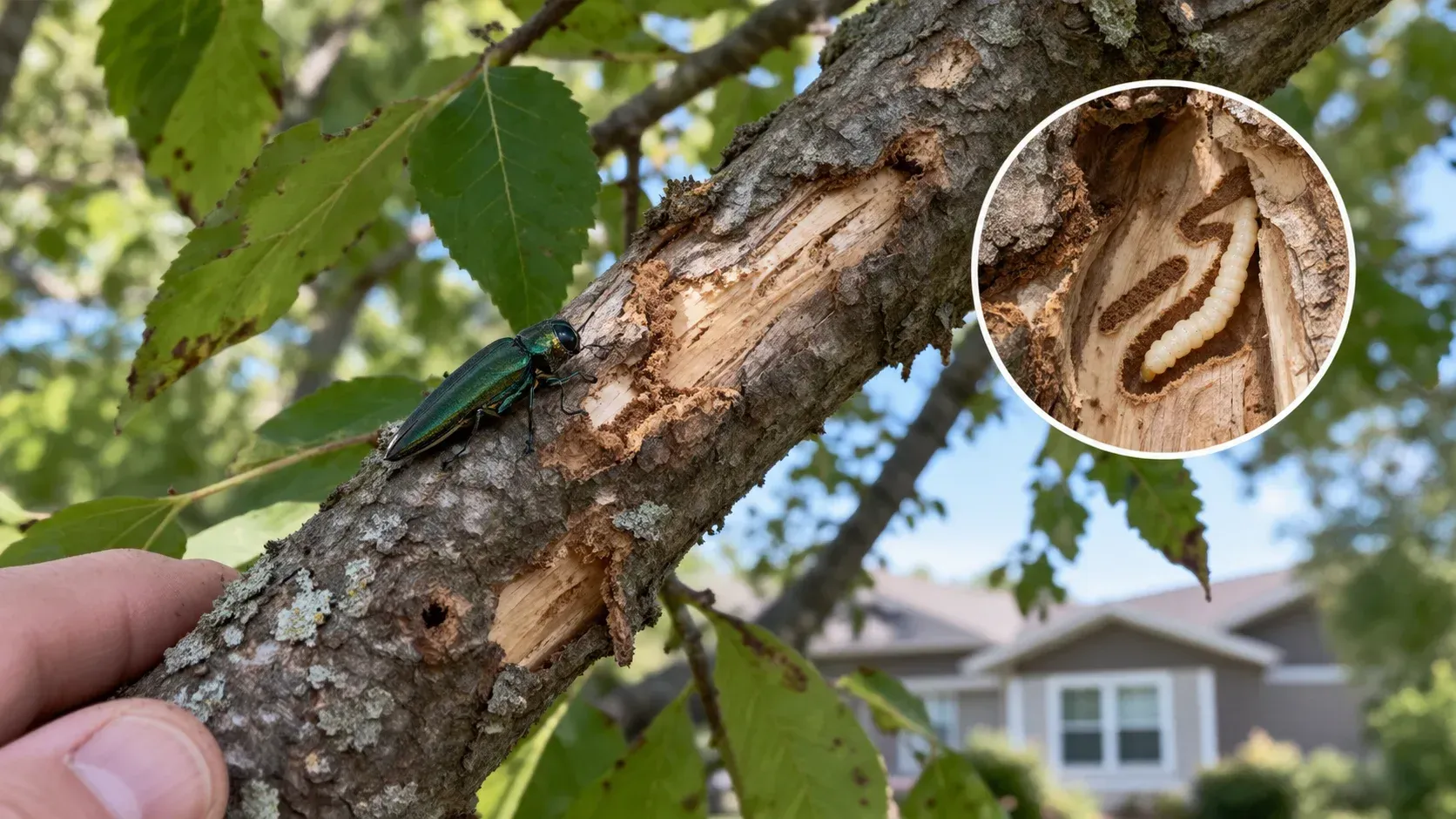
Birches are susceptible to bronze birch borer, an insect that attacks stressed and wounded trees. Fresh pruning wounds during the growing season can attract borers to the tree, and a borer infestation is a considerably more serious problem than a few weeks of sap.
Which creates a narrower window than maple has. Birch generally wants pruning when the tree is dormant enough to avoid bleeding and outside the period when borers are active and attracted to fresh wounds. In practice that pushes birch pruning toward late summer or the dormant shoulder seasons rather than spring or early summer.
Because borer activity periods are region-specific and shift with the season, this is one to confirm with current local guidance rather than a rule of thumb. It is also a strong argument for not pruning a birch casually. Stressed birches are the ones that get attacked, and unnecessary wounding adds stress.
When Is the Best Time to Trim Trees in Minnesota
The general answer, with the exceptions that matter here:
For most species, the dormant season is the standard recommendation. Structure is visible with leaves off, wounds begin closing as soon as growth resumes, and disease and insect pressure is lower in cold weather.
For maple, birch and the other bleeders, shift to after leaf-out or to late fall, for the reasons above.
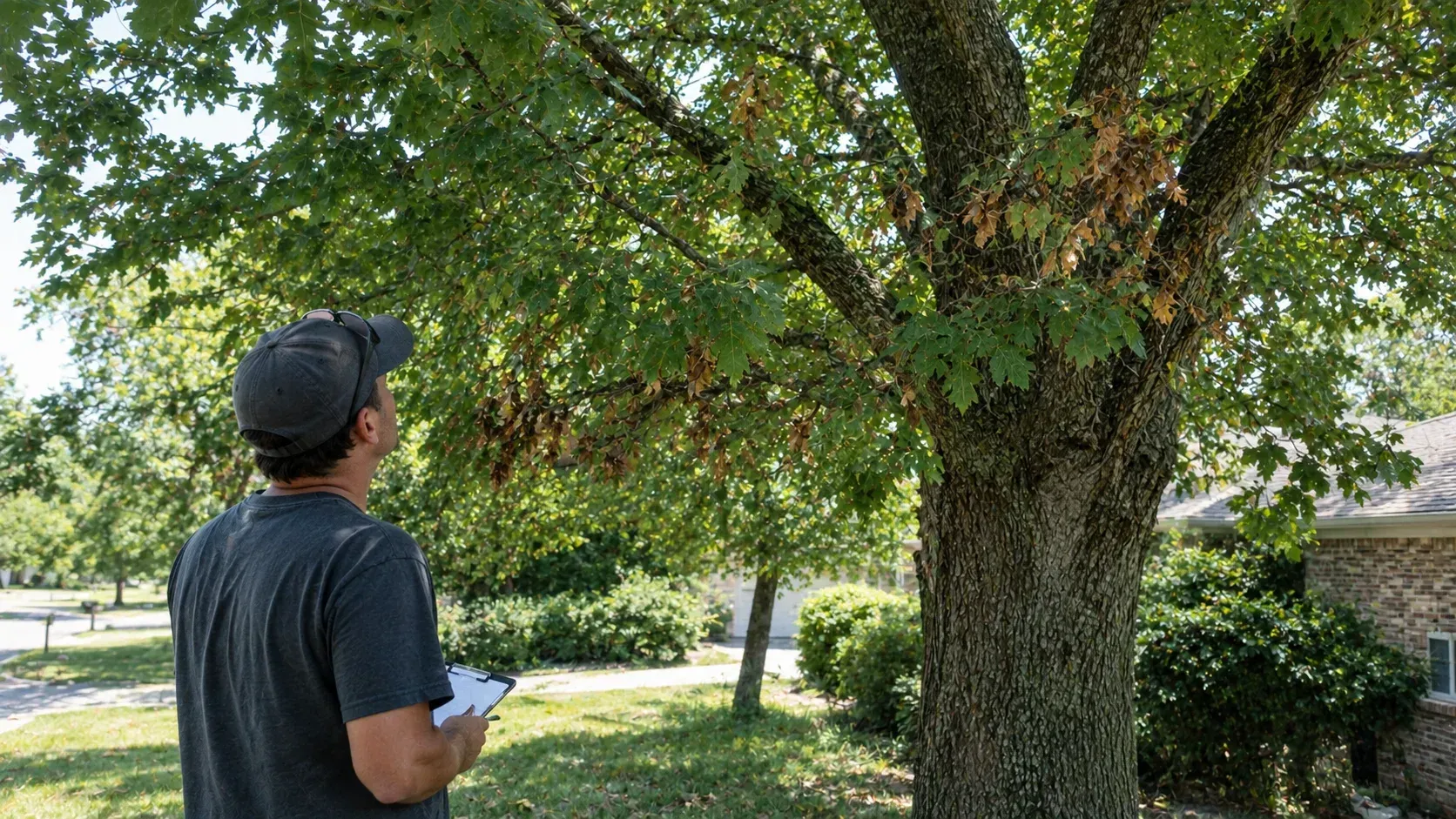
For oaks, timing is driven by disease rather than sap, and it is the most consequential timing question in this state. Oak wilt is a serious disease here, and fresh pruning wounds during the period when the disease-carrying insects are active can introduce infection.
The recommended avoidance window is specific, it is set by current local guidance, and it is not something to work out from a general article. Confirm it with University of Minnesota Extension or the Minnesota DNR, or ask us, before pruning an oak.
For anything hazardous, any time. A limb over a driveway does not wait for a season.
For dead wood, any time. Removing something already dead does not create a fresh wound into living tissue.
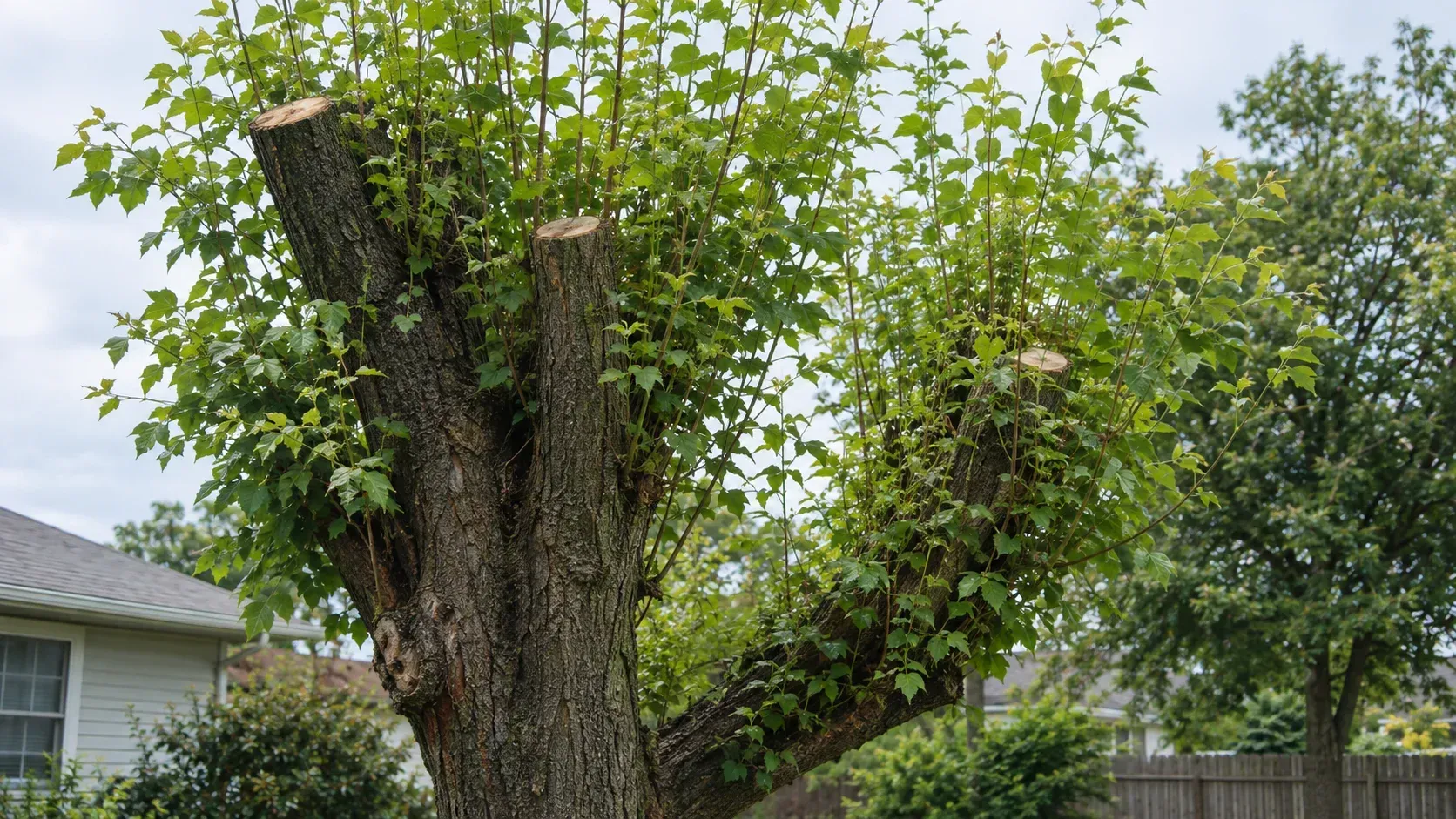
The underlying principle is that timing rules exist for specific biological reasons, which is why they differ by species. Anything presented as one date range for all trees is oversimplified.
The Species Where Timing Matters More Than Bleeding
Worth stating clearly, because this article's subject is the less serious of the two problems.
Sap bleeding is untidy and mildly wasteful. Introducing a fatal disease is not. If you are weighing which timing rule to be careful about, oak wilt outranks maple bleeding by a wide margin, and it is the reason we ask what species a tree is before scheduling, rather than just booking the work.
The same logic applies to a few other disease and pest situations where wounding at the wrong time creates an entry point. The general principle: pruning creates an opening, and the question is always what is active and looking for one at that moment.
If you do not know what species your tree is, that is a reasonable thing to ask about. Identification is part of an assessment, not something you need to arrive with.
What to Do If Your Tree Is Already Bleeding
If you have pruned a maple or birch and it is running, here is the practical answer:
- Leave it alone. It will stop when the tree leafs out and the pressure drops.
- Do not seal or paint the wound. Dressings do not reliably stop the flow and are not recommended for wound care generally.
- Do not wrap it, which holds moisture against the wound.
- Do not make more cuts trying to tidy it up.
- Move anything underneath that you do not want stained or sticky.
- Expect the bark staining to persist after the flow stops. It is cosmetic.
- Ignore the surface slime if it appears, unless it continues well past leaf-out or the tree shows other decline.
- Watch for actual problems rather than the bleeding: dieback in the canopy, leaves failing to emerge on that limb, or bark cracking around the wound. Those warrant a look.
And note the timing for next year. The tree will be fine, and the fix is scheduling rather than intervention.
Conclusion
A maple or birch pruned in late winter bleeds because the tree is pressurised and moving sap, not because it has been injured in a way it cannot handle. It looks dramatic, it stains everything below it, and on a healthy tree it is mostly a cosmetic problem with a modest energy cost.
The more useful takeaway is that pruning timing is species-specific. The dormant-season advice that is correct for most trees is the wrong advice for the bleeders, and for oaks in this state the timing question is about disease rather than sap and carries much higher stakes. Ask what species you have before you decide when to cut.
Schedule Pruning for the Right Window for Your Species
If you have maples, birches or oaks and you are not sure when they should be pruned, the timing is worth settling before the work rather than after. We inspect the tree's condition and growth pattern before trimming, prune selectively to strengthen structure and balance, and work to maintain the tree's natural shape.
Arbor Barber Tree Service is locally owned and operated in Lakeville, with certified arborists and over 20 years of experience, safety-focused and fully insured. Where timing is driven by disease rather than preference, working out which risk applies to that species comes first.
We serve Lakeville, Apple Valley, Burnsville, Farmington and Rosemount. Call
(612) 703-0175.