Introduction
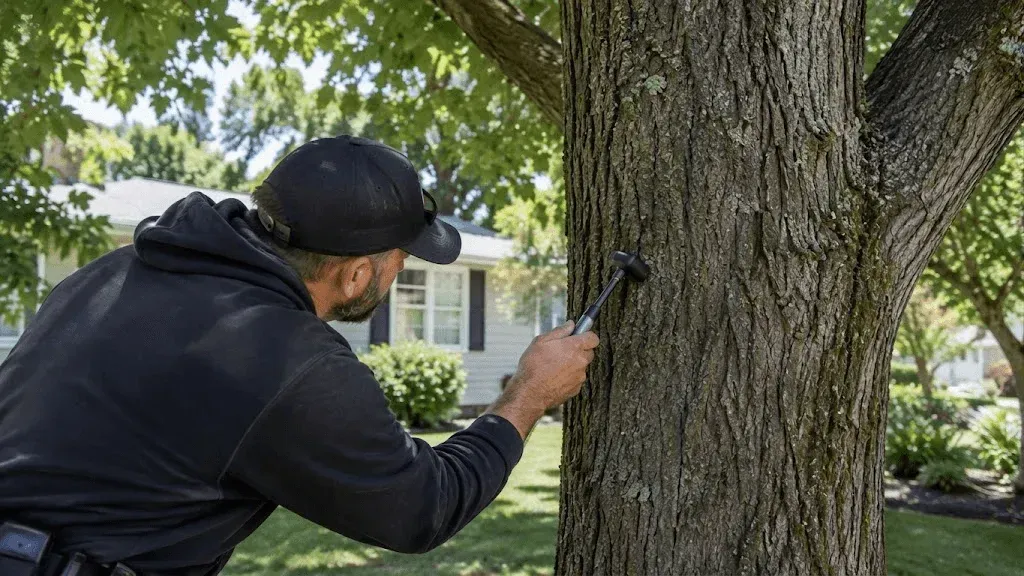
Once emerald ash borer is confirmed in even one branch of an ash tree, the infestation has almost always already spread beyond that branch, since the insect spends one to two years developing under the bark before producing any visible external symptoms.
Confirming the tree's actual condition
at this point matters because the decision you make in the next few months, treat, remove, or wait, gets harder and more limited the longer the infestation continues.
This article walks through what a one-branch finding actually tells you about the tree's overall condition, the realistic timeline from this point forward, and the specific options available to you right now.
Why "Just One Branch" Rarely Means Just One Branch
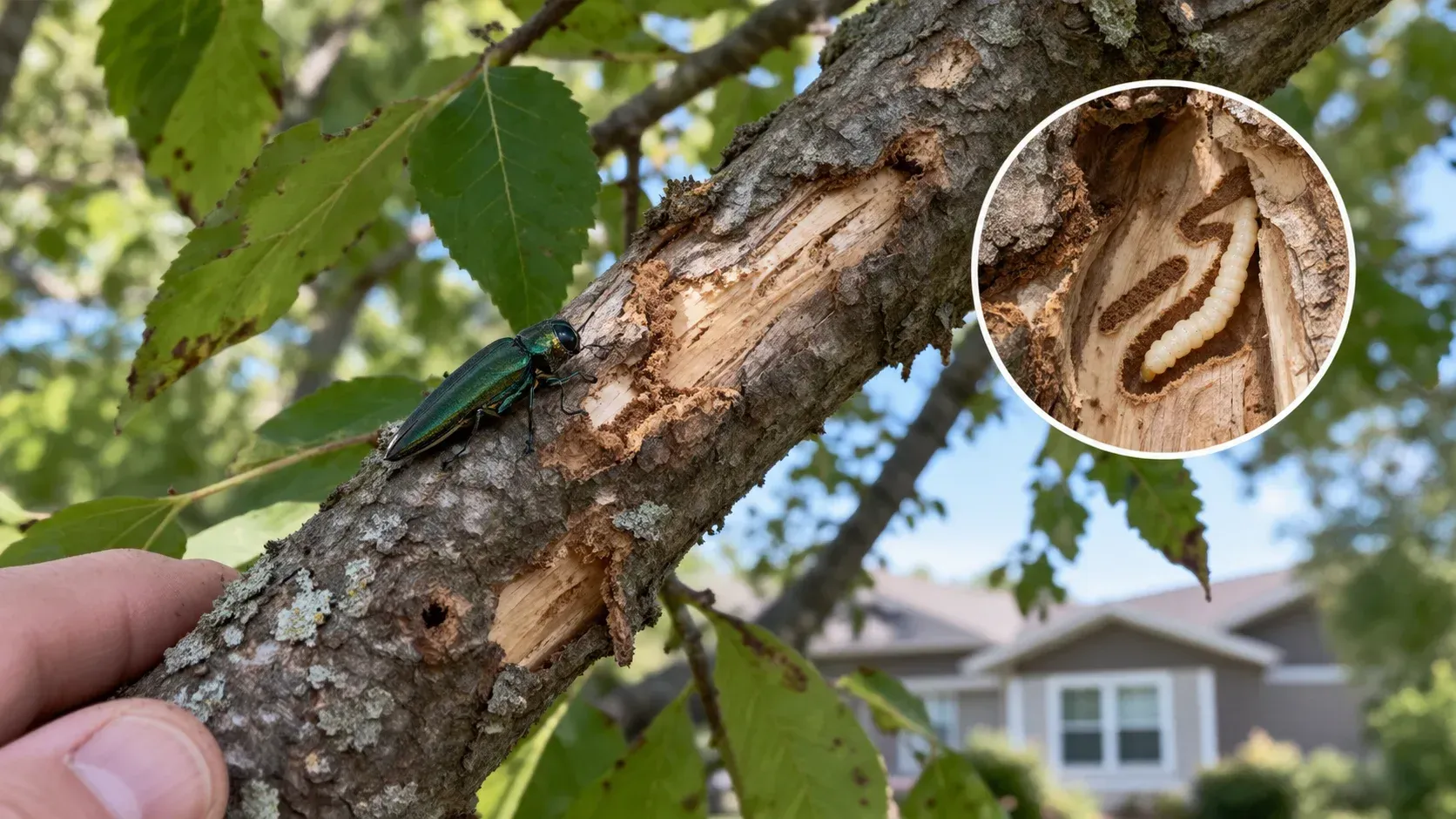
Emerald ash borer larvae feed in the layer just beneath the bark, tunneling through the tissue the tree uses to move water and nutrients. This feeding happens for one to two years before adult beetles emerge and the tree begins showing visible symptoms like canopy thinning, D-shaped exit holes, or branch dieback.
Because of this delay, by the time you can visually confirm EAB in a single branch, the larvae responsible for that damage have already been active for a significant period, and the adult beetles that emerged from that branch have typically already laid eggs elsewhere on the same tree or on nearby ash trees. The one branch you can see is evidence of the infestation's earliest visible stage, not its actual starting point.
This is different from many tree health issues where catching a problem in one isolated area genuinely means the rest of the tree is unaffected. EAB's biology specifically works against that kind of containment.
The Realistic Timeline From One Branch to Tree Decline
Right now, one branch showing symptoms: This typically reflects roughly one to two years of established infestation already present in the tree, even though visible symptoms are just becoming apparent.
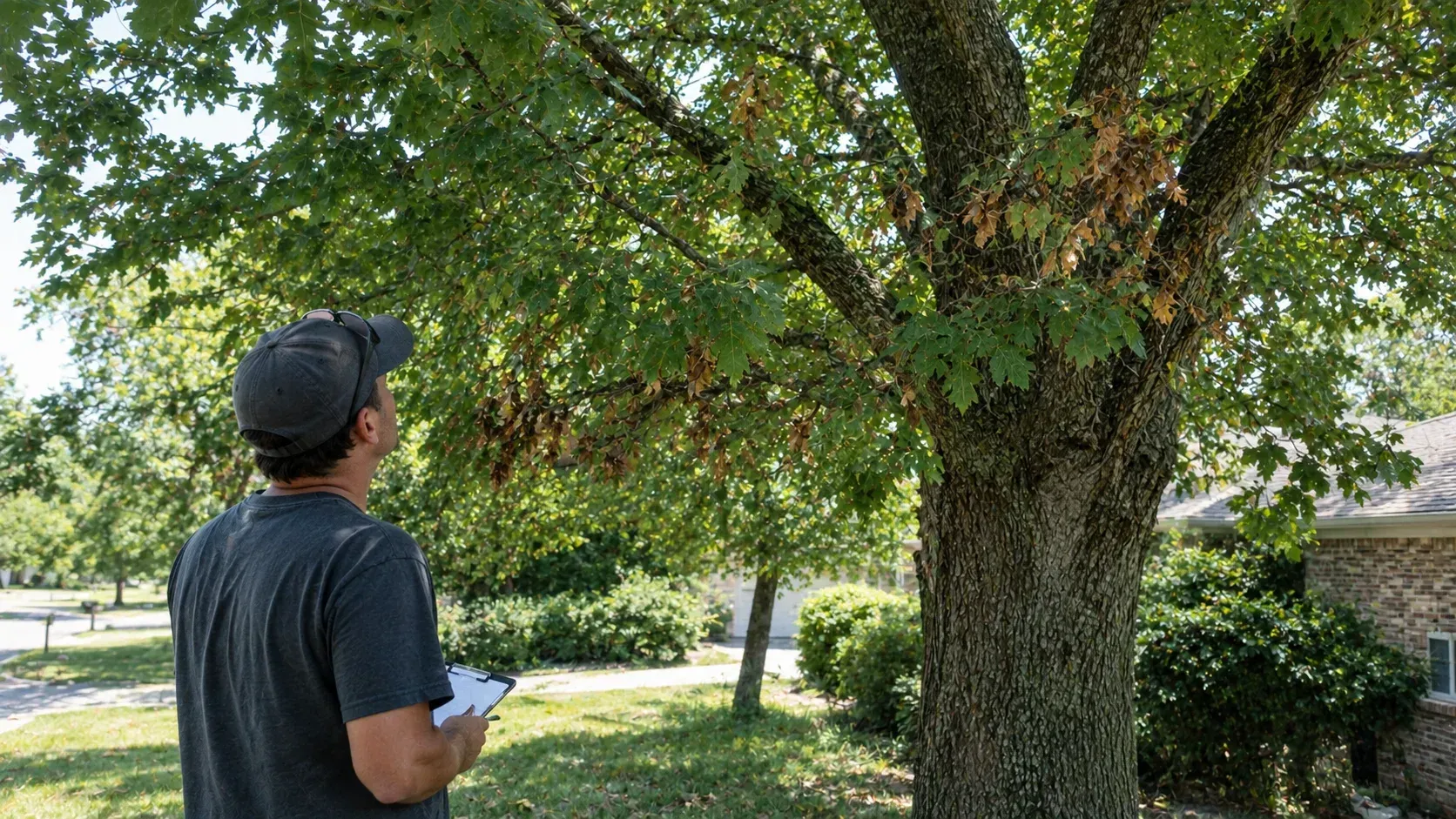
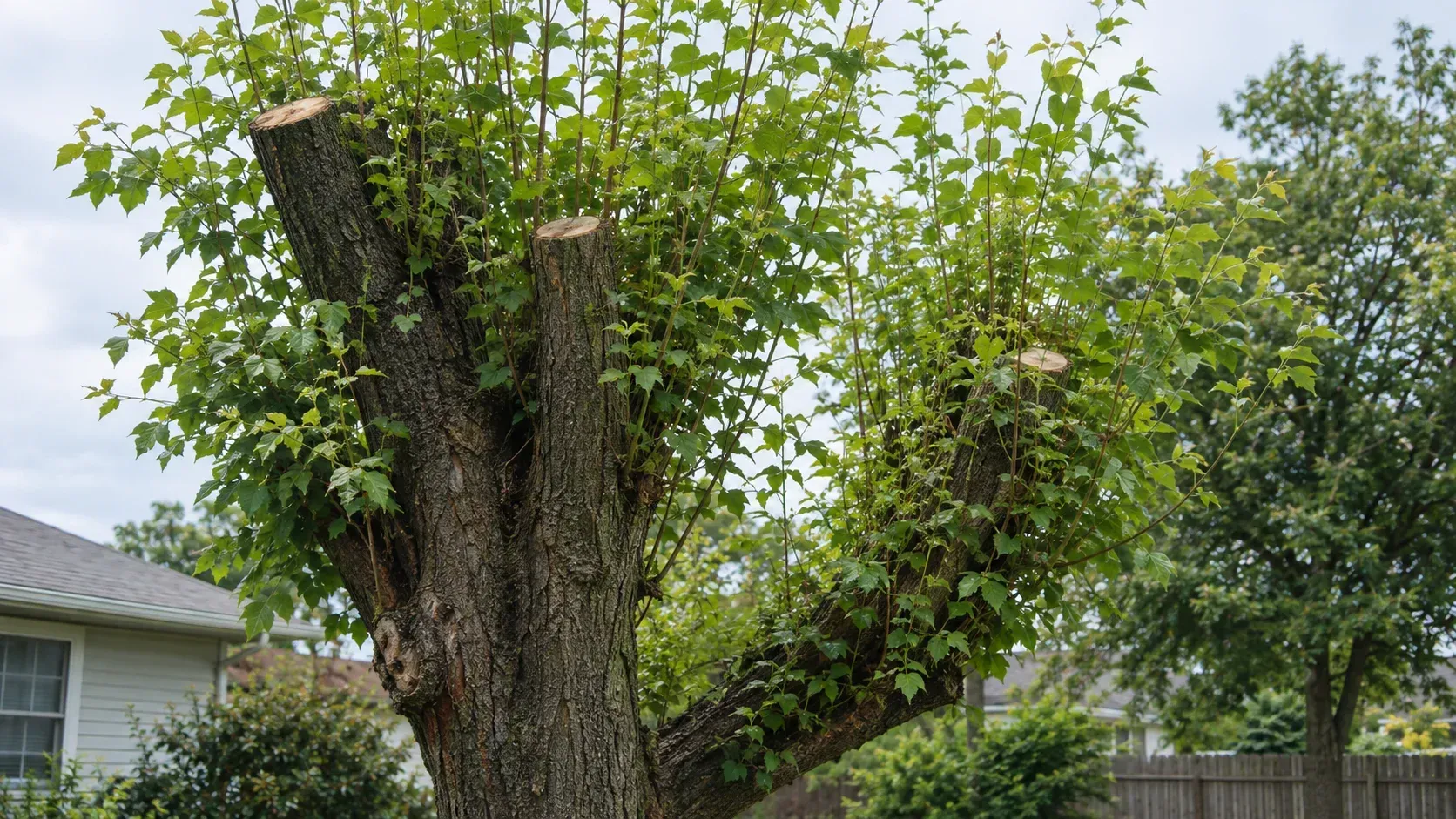
Within the next year: Symptoms generally spread to additional branches and become more visible throughout the canopy, since the beetle population within the tree continues expanding. Canopy thinning becomes more noticeable, often starting at the top of the tree and progressing downward.
One to two years from now: Without treatment, a majority of the canopy typically shows dieback, and the tree's overall health has declined significantly. The tree is often still standing and structurally sound enough for safe removal during this window.
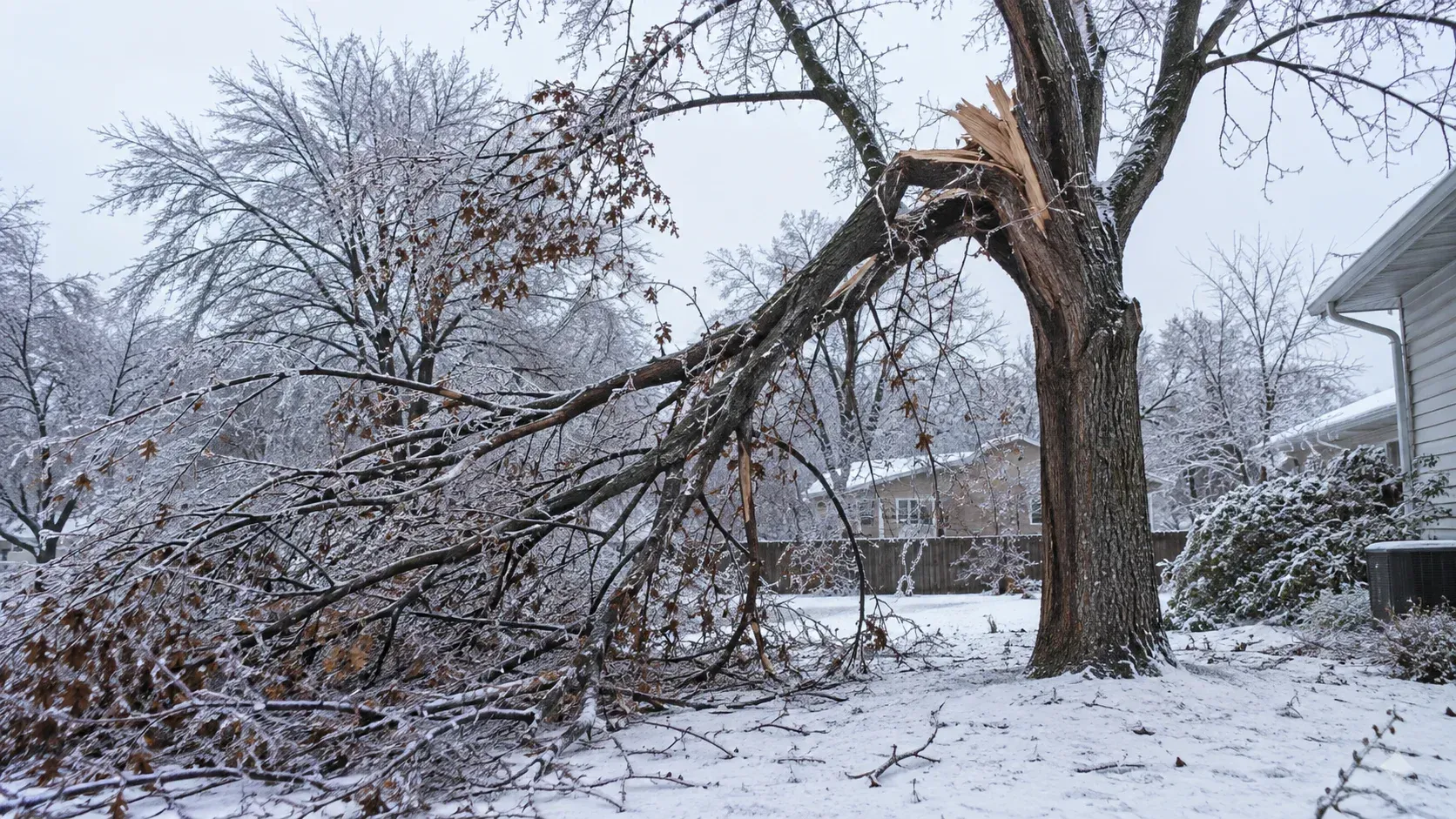
Two to four years from now: The tree is commonly dead or nearly dead at this point. Ash wood becomes notably weak and brittle once the tree dies from EAB, and this is where removal becomes progressively more hazardous, since brittle branches and trunk sections are more likely to fail unpredictably during removal work.
This timeline varies based on tree size, overall health before infestation, and local EAB population density, but the general trajectory, from one visible branch to significant decline within one to two years, holds fairly
consistently once an infestation is confirmed.
Your Three Real Options at This Stage
Option 1: Chemical treatment
Systemic insecticide treatment can be effective at protecting a tree from EAB, particularly when started while the infestation is still limited, as in a one-branch finding. Treatment typically requires ongoing reapplication on a regular schedule for as long as you want to protect the tree, since it doesn't permanently eliminate the risk, it manages it on an ongoing basis. This option makes the most sense for high-value trees, whether for shade, property value, or sentimental reasons, where the ongoing cost is worth preserving the specific tree.
Option 2: Removal while the tree is still manageable
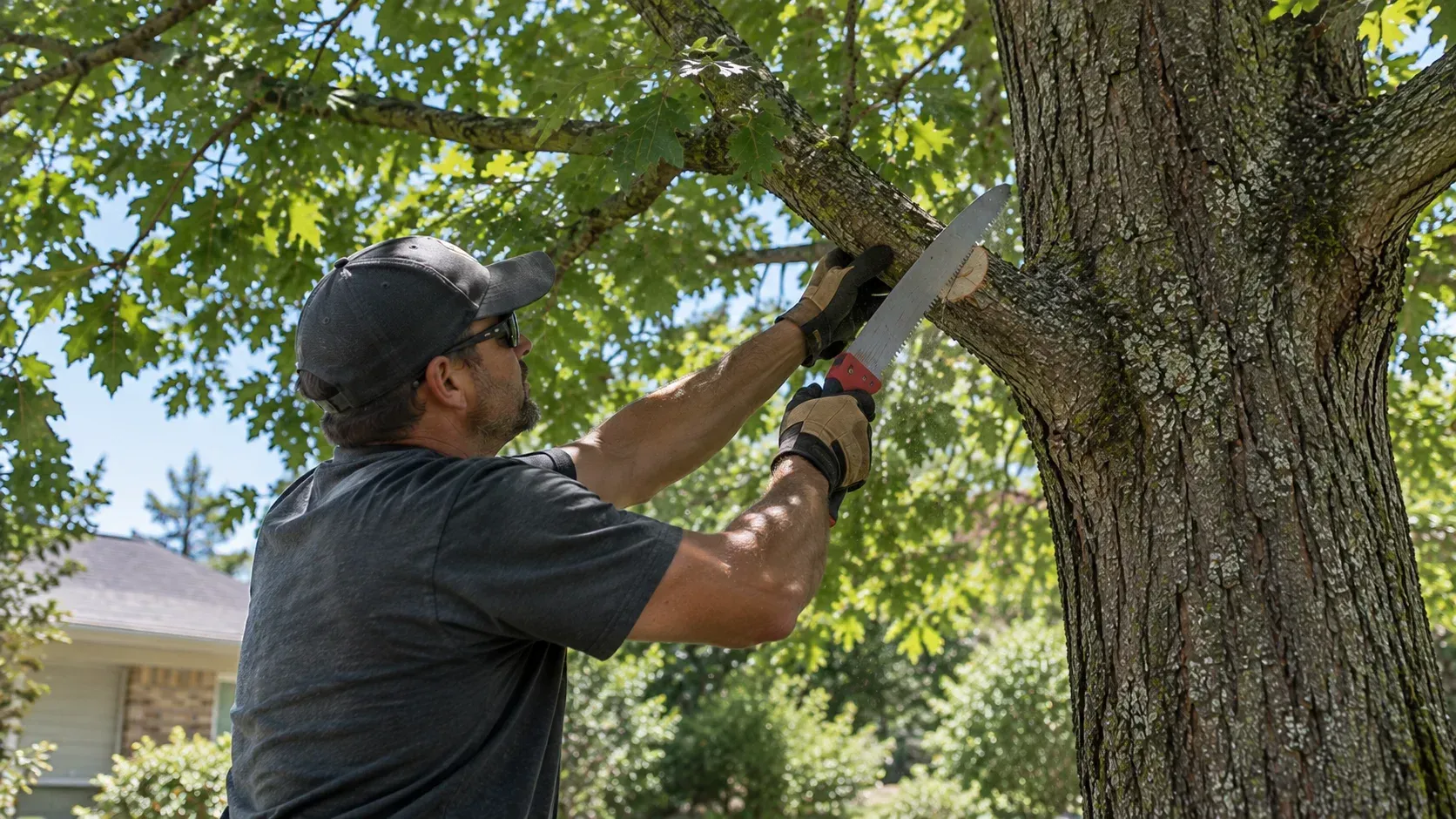
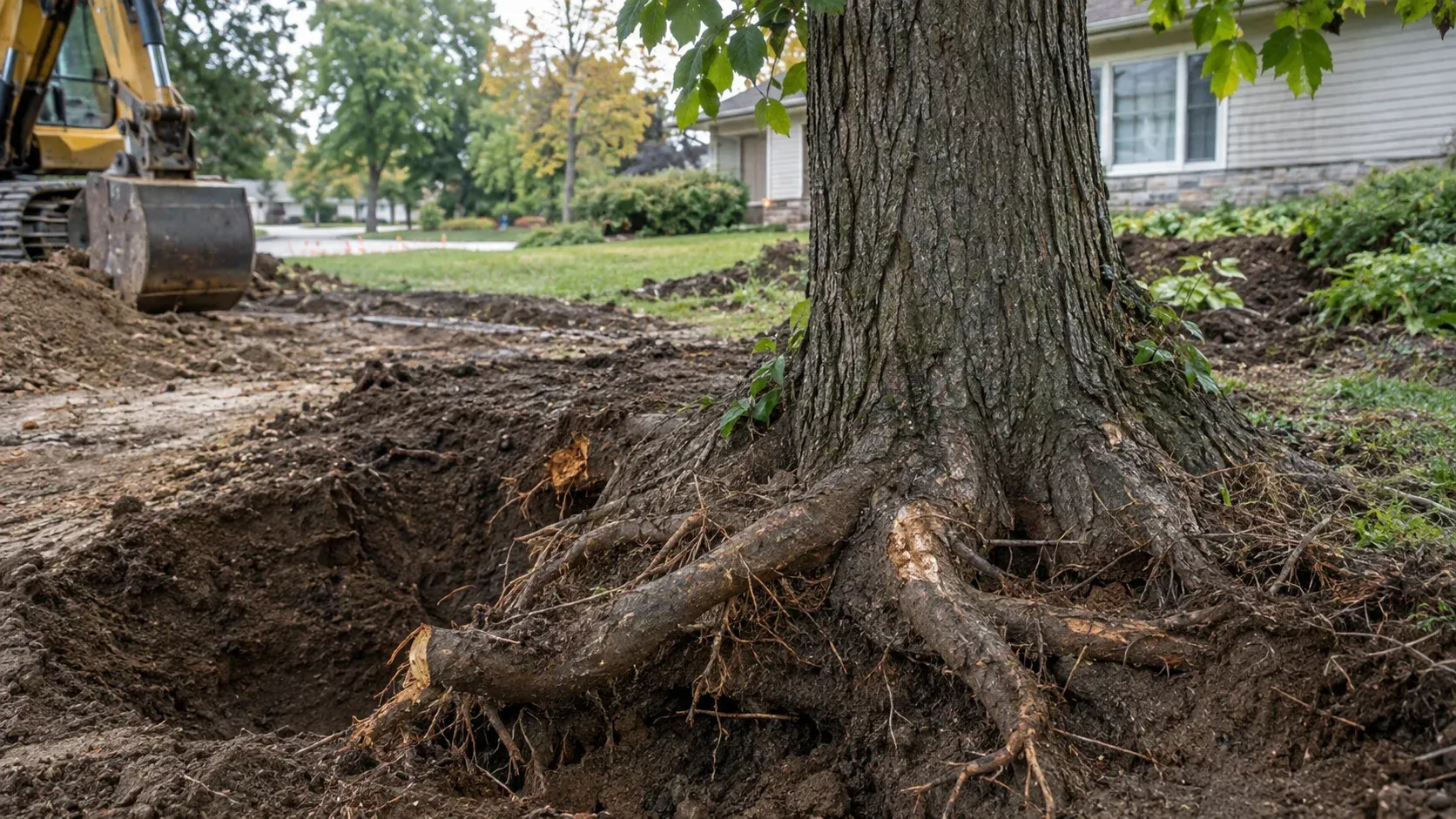
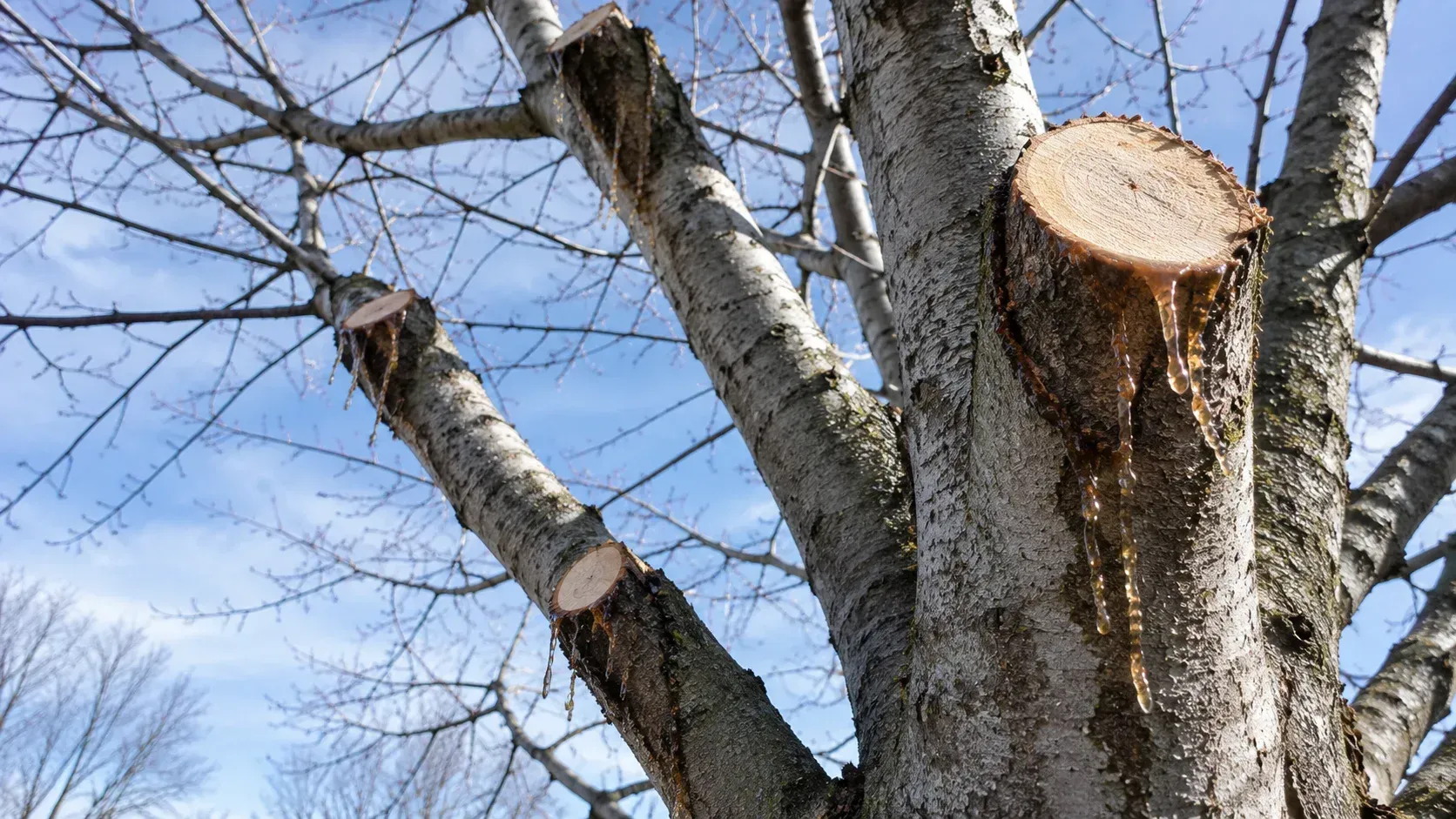
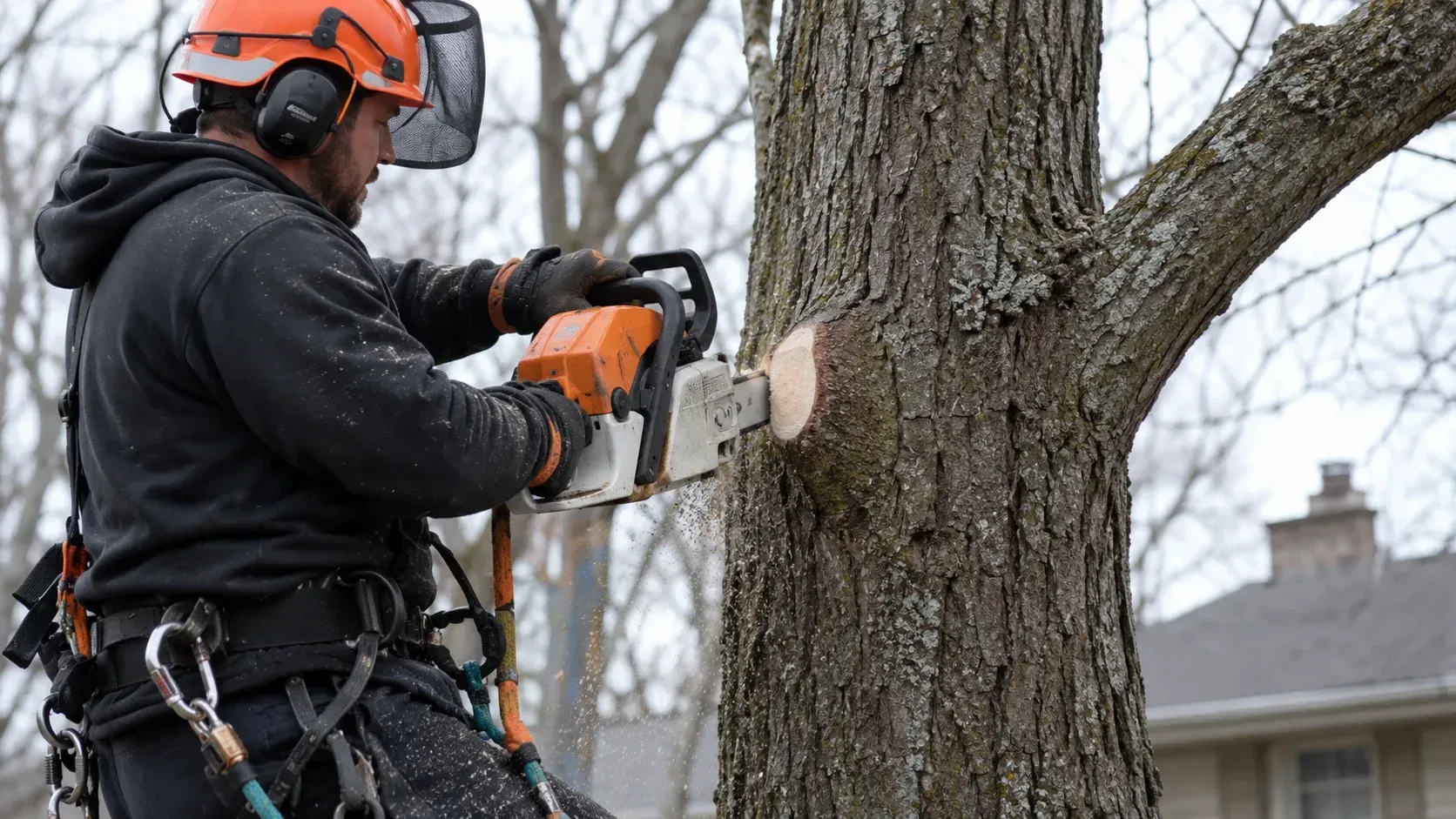
Removing the tree now, while it's still structurally sound and the wood hasn't yet weakened from extended infestation, is generally the safer and more predictable option from a removal-difficulty standpoint.
Scheduling removal
at this stage, rather than waiting until the tree has declined further, avoids the added hazard and cost that comes with removing a significantly weakened or dead ash tree later.
Option 3: Monitoring without immediate action
Waiting to see how the infestation progresses is technically an option, but it carries the most risk of the three. This approach essentially uses up the window during which both treatment and straightforward removal remain viable, and by the time the tree's decline becomes undeniable, you may be left with only the harder, more expensive removal option, working with brittle, hazardous wood instead of a still-sound tree.
Why Nearby Ash Trees Are Part of This Decision
Emerald ash borer doesn't stay confined to a single tree once established in an area. Adult beetles can fly to nearby ash trees, and if you have other ash trees on your property, or if neighboring properties have ash trees within a reasonable distance, this infestation is relevant to their risk as well, not just to the one tree currently showing symptoms.
This is worth factoring into your decision, particularly if you're leaning toward treatment. Treating the confirmed tree while ignoring other untreated ash trees nearby doesn't address the broader situation, since those other trees remain vulnerable to the same local beetle population. A broader look at
all the ash trees on your property
gives you a more complete picture before committing to a treatment or removal plan for just the one tree.
Signs the Infestation Has Already Spread Further
A few indicators suggest the infestation extends meaningfully beyond the single branch that prompted the initial concern:
Canopy thinning is visible from the ground, beyond just the originally affected branch, particularly if it's concentrated in the upper portion of the tree.
D-shaped exit holes, roughly the size of a grain of rice, appear on the bark in more than one location on the trunk or major limbs.
Increased woodpecker activity on the trunk, since woodpeckers feed on EAB larvae and often concentrate their efforts where larvae populations are highest.
Bark splitting or vertical cracks, which can develop as larvae tunnel beneath the surface and disrupt the tree's normal growth pattern.
If you're seeing any of these beyond the original branch, the infestation has likely progressed further than a single-branch finding would suggest on its own, and this shifts the urgency toward a faster decision between treatment and
professional removal.
Conclusion
Emerald ash borer confirmed in one branch is rarely limited to that branch, since the insect's one to two year development period beneath the bark means visible symptoms lag well behind the actual extent of the infestation. From this point, the tree's condition generally continues declining over the following one to two years without intervention, with removal becoming progressively more hazardous and expensive as the wood weakens.
Your realistic options are treatment, removal while the tree remains manageable, or monitoring, which carries the highest risk of losing access to the other two options as time passes. Nearby ash trees are part of this picture too, since EAB spreads locally once established, making a single confirmed branch relevant to more than just the one tree it was found on.
Have an Infested Ash Tree Evaluated Promptly to Protect Nearby Healthy Ash Trees
The sooner you know what you're actually dealing with, the more options you have.
Reach out to Arbor Barber Tree Service
at (832) 703-0175 and we'll take a look at the tree, and any other ash trees nearby that might be sharing the same risk.