Introduction
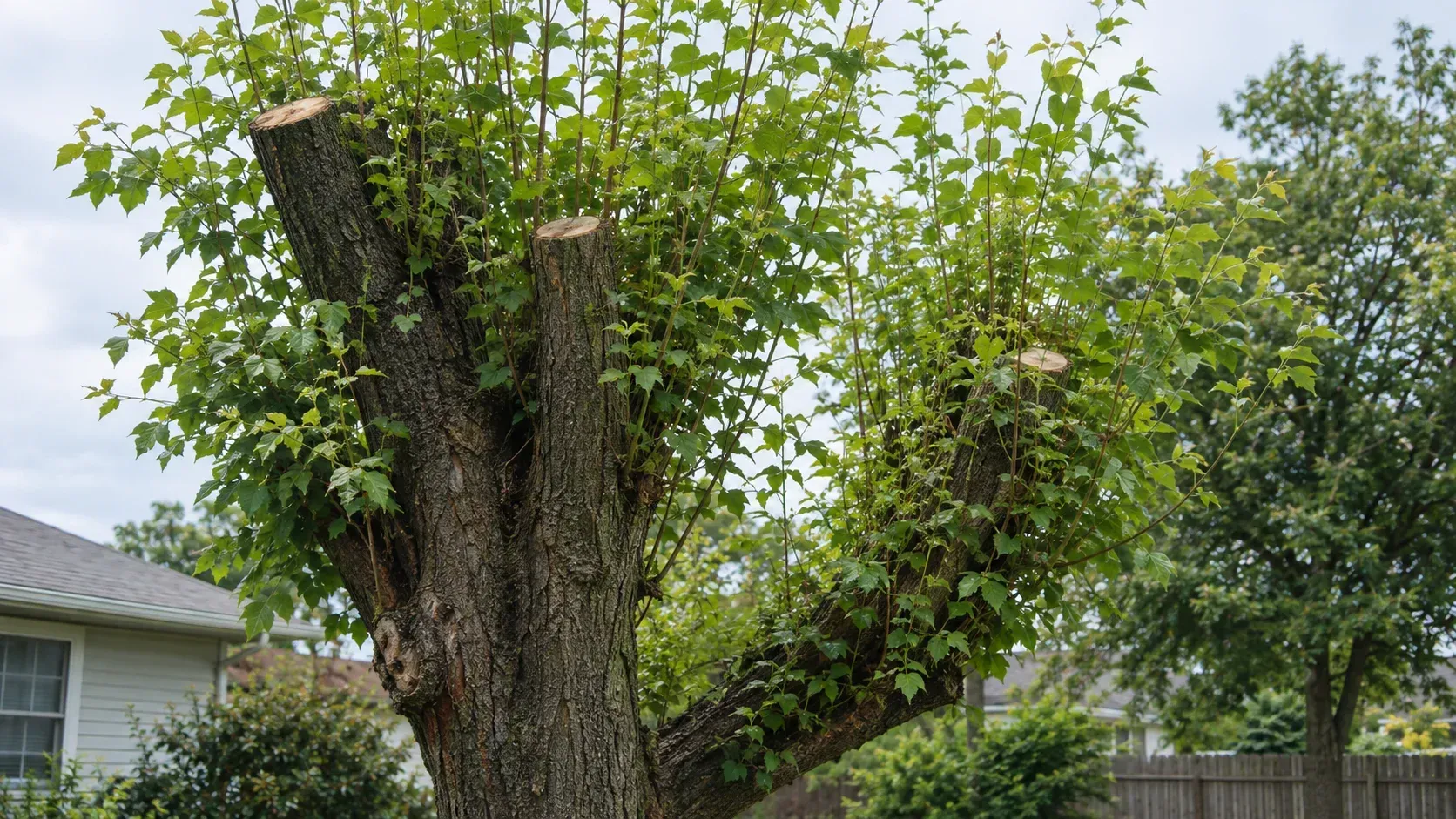
A tree that grows back fast but weak after trimming is telling you it was cut badly. Improper cuts, and especially removing too much of the canopy at once, push the tree to produce epicormic shoots from dormant buds sitting just under the bark. Those shoots grow quickly because the tree is spending stored reserves on emergency food production, and they attach only to the outer layers of the stem rather than anchoring into solid wood. Fast, upright, densely clustered, and poorly attached.
We see this constantly, usually a year or two after somebody else's work.
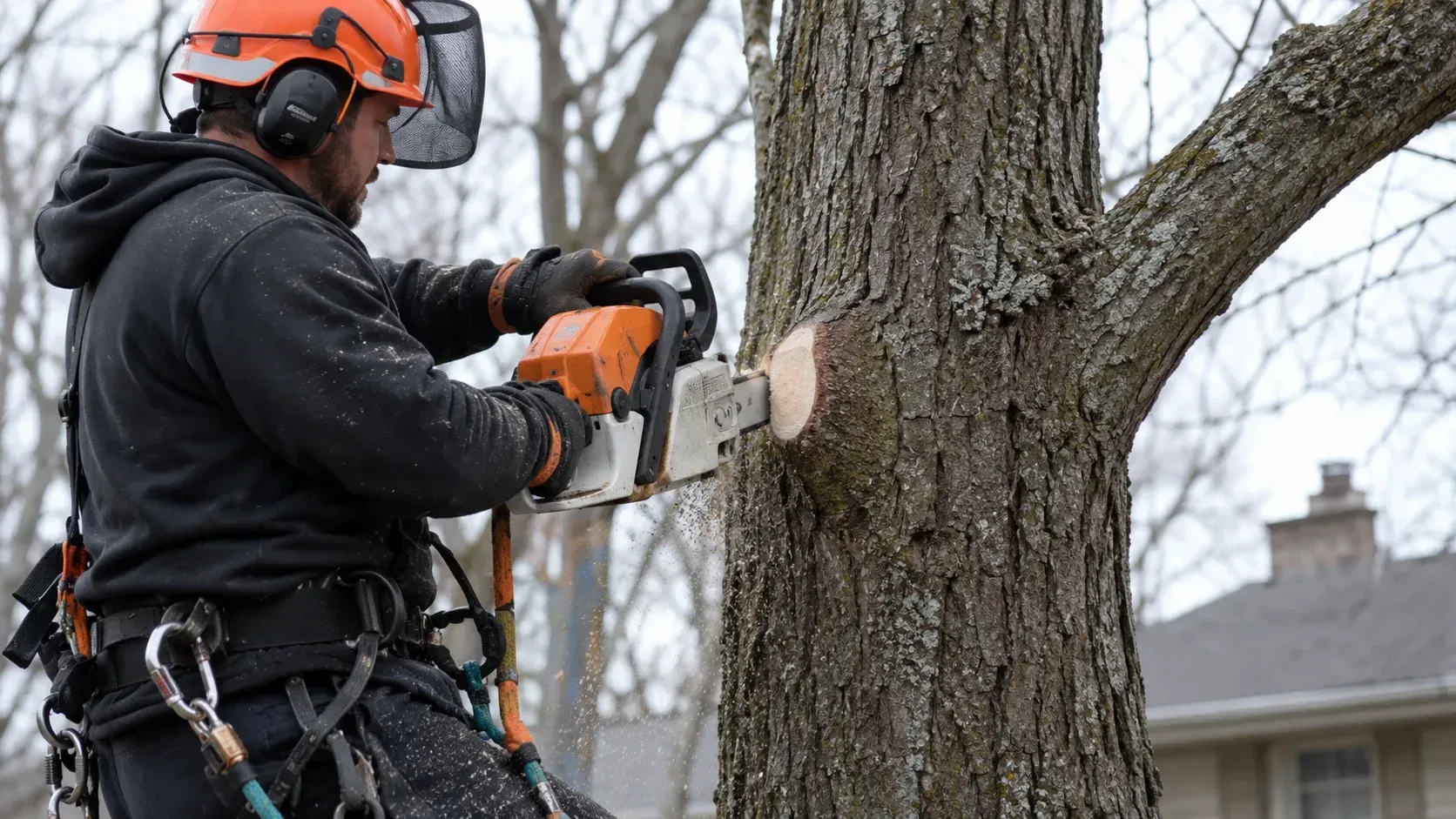
Corrective pruning calls include a steady stream of trees that were trimmed by someone with a chainsaw and no plan, and the owner has noticed the growth looks wrong without being able to say why.
Here is what causes it, how to recognize it, and what can be done.
Why a Tree Grows Back Weaker After Trimming Rather Than Stronger
The logic seems backwards until you understand what the tree is doing.
A tree's canopy is its food supply. Leaves photosynthesize, and the tree uses that energy to grow, defend itself against decay and pests, and store reserves for next season. Remove a large share of the canopy and you have not pruned the tree, you have cut its production capacity.
The tree responds the way any organism responds to losing its food supply: emergency measures. It draws on stored energy and pushes out foliage as fast as it possibly can, anywhere it can. Speed is the priority, not structure.
So the vigorous growth people point to as proof the trimming worked is the tree in distress. And the growth it produces under those conditions is built for speed rather than for holding up in a storm fifteen years later.
The general rule follows from this: the more canopy removed at once, the stronger the stress response, and the weaker the resulting growth.
What Epicormic Shoots Are and Why They Fail
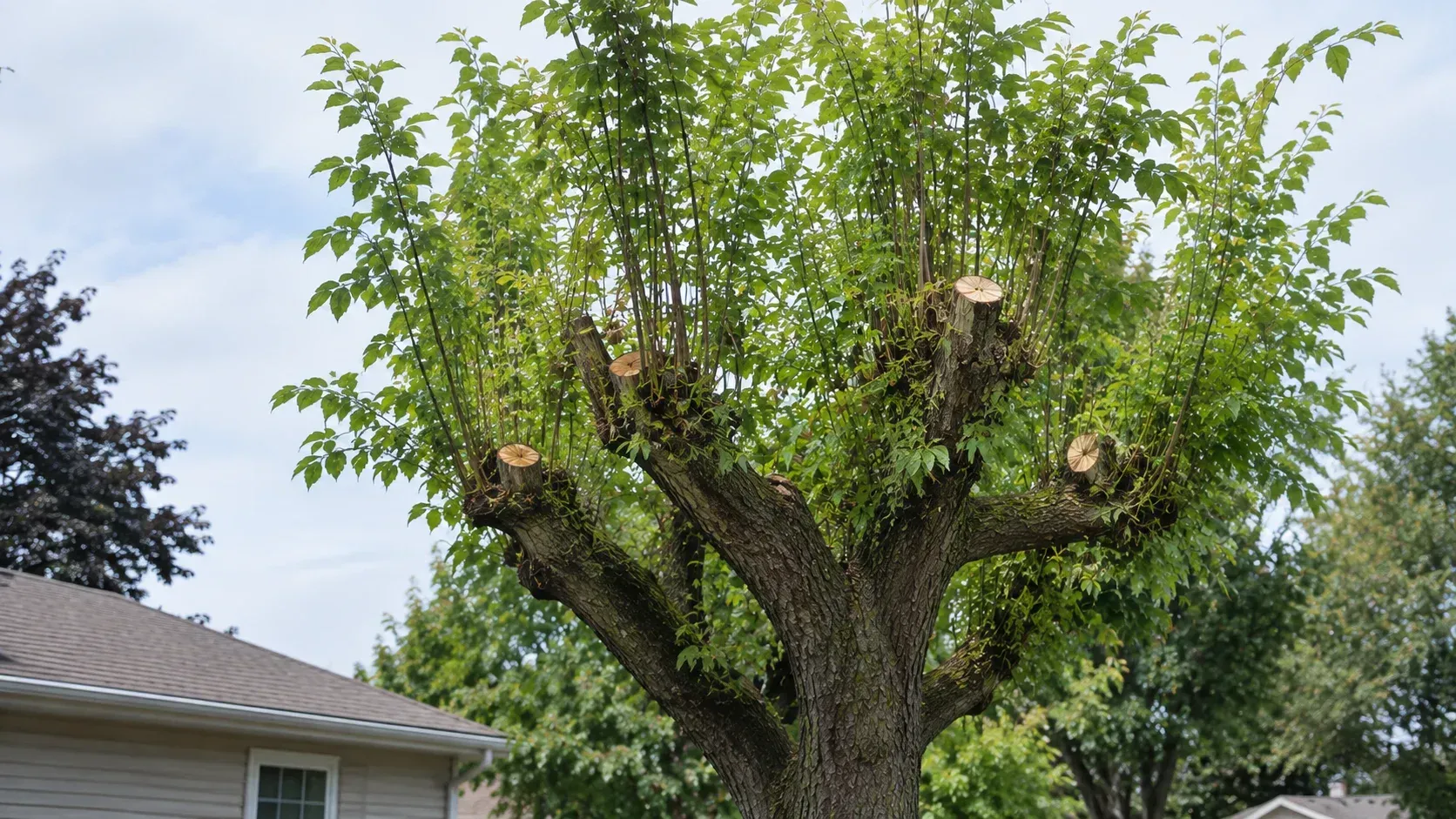
Under the bark of most trees sit dormant buds, held in reserve for exactly this situation. When the tree loses canopy or gets wounded, those buds activate and produce shoots. The proper term is epicormic, and you will also hear water sprouts for the ones on branches and suckers for the ones from the base.
The attachment is the problem. A normal branch develops from a growing tip and its tissues interlock with the trunk over years, producing a union that is genuinely structural. An epicormic shoot emerges from a dormant bud near the surface and connects only to the outer layers of the stem.
What that produces:
- Superficial attachment. Held by the outer wood rather than anchored through it.
- Very fast growth, often several times the rate of normal branch extension.
- Straight, upright form, without the natural taper and branching a normal limb develops.
- Dense clustering. Many shoots from the same point, crowding and rubbing each other.
- Poor spacing along the stem, since they emerge where the buds were rather than where a branch would sensibly go.
- Increasing risk as they grow. Weight accumulates on an attachment that never improves proportionally.
That final point is why this is a real issue rather than an aesthetic one. A cluster of pencil-thick shoots is harmless. The same cluster at arm-thickness, fifteen feet up, over a driveway, is a hazard that arrived so gradually nobody noticed.
The Trimming Mistakes That Trigger Weak Regrowth
Topping is the famous one, and we cover it separately because it deserves its own article. But it is not the only cause, and in our experience it is not even the most common. The full list:
- Removing too much canopy in one season. The single biggest driver. A tree stripped hard responds hard, regardless of how carefully each individual cut was made.
- Over-thinning. Removing too many interior branches, leaving foliage only at the ends.
- Heading cuts. Cutting a branch back to a random point rather than to a suitable lateral branch, which leaves a stub with no growing tip to take over.
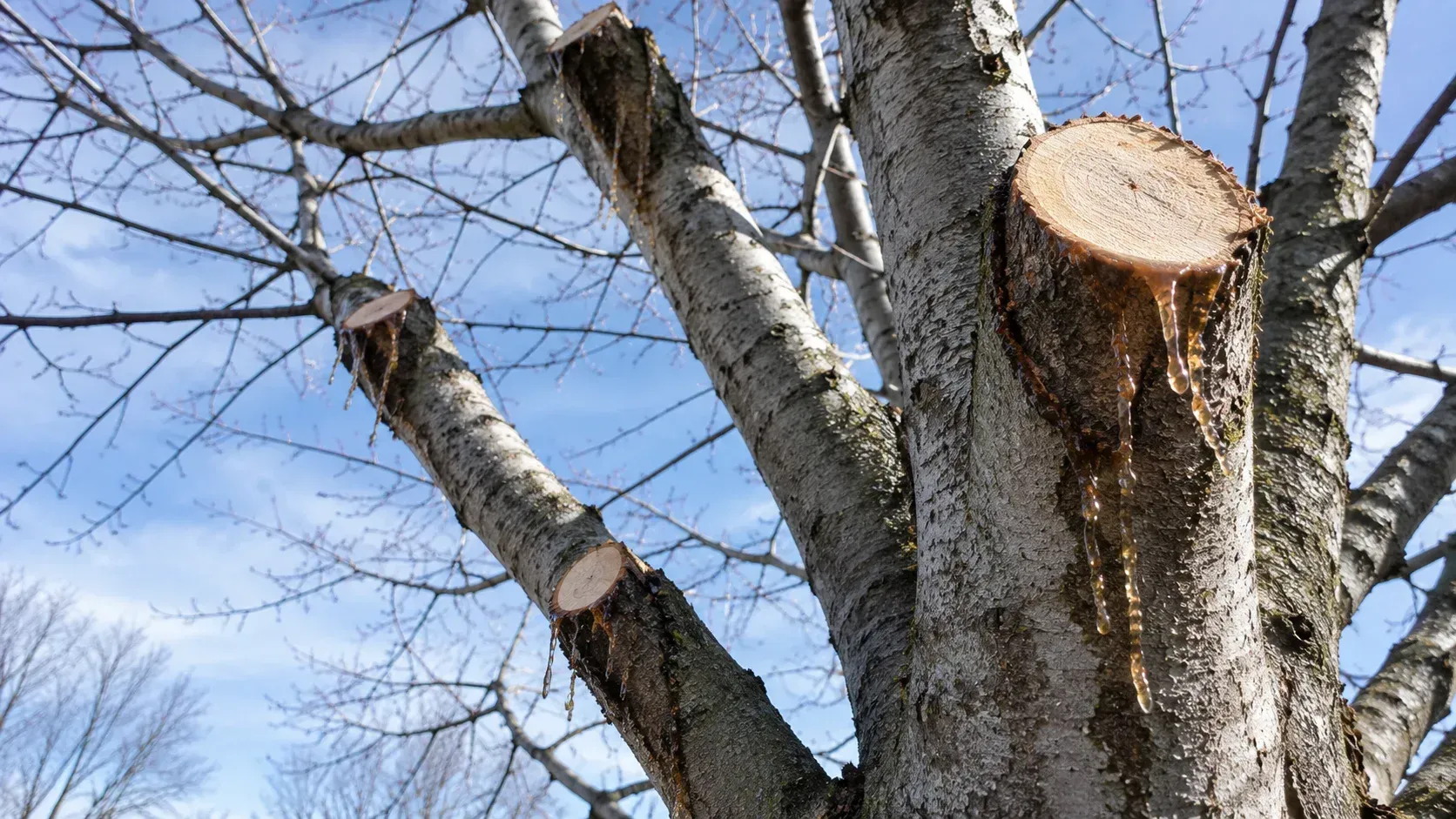
- Flush cuts. Cutting tight against the trunk removes the branch collar the tree needs to seal the wound, and sprouting around the wound is a common response.
- Stub cuts. Leaving too much branch, which dies back and frequently sprouts around the base.
- Raising the crown too far. Removing all the lower branches at once, which is both a big canopy loss and a loss of the branches feeding trunk taper.
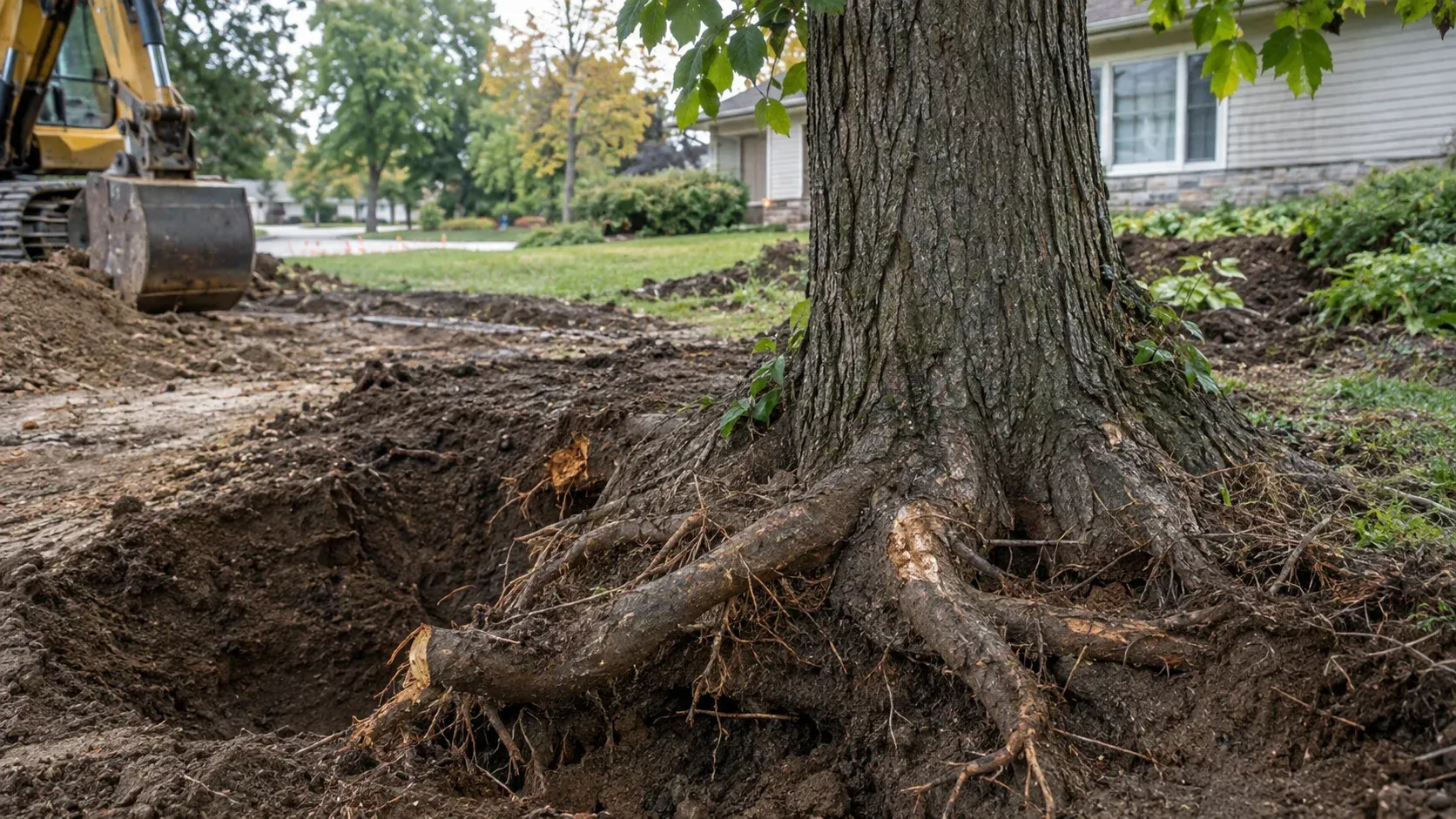
- Pruning a stressed tree. A tree already struggling with drought, root damage or disease has fewer reserves and responds worse.
- Repeated hard trimming. Each round compounds the last, and the tree has less stored energy each time.
Notice how many of these are about volume rather than technique. You can make every individual cut correctly and still damage a tree badly by making too many of them.
Lion's Tailing: The One Nobody Has a Name For
This deserves its own section because it is extremely common, it looks like skilled work, and most homeowners have no idea it is a problem.
Lion's tailing means stripping out the interior branches and foliage along a limb, leaving growth only in a tuft at the end. The result looks clean and open, and it is often exactly what somebody asked for when they said they wanted the tree thinned out.
What it actually does:
- Moves all the weight to the end of the limb, which is the worst possible place for leverage on the branch union
- Removes the interior foliage that feeds the branch closest to where it attaches
- Exposes bark that was shaded, risking sunscald
- Reduces the branch's ability to absorb wind by removing the interior structure that damped its movement
- Triggers sprouting along the stripped section as the tree tries to replace what it lost
So a limb that was thinned to make it safer in wind has become a long lever with a weight on the end and less wood feeding the attachment. Lion-tailed limbs fail in storms at a rate that surprises people.
Proper thinning removes selected whole branches back to their attachment points, distributed through the canopy. It does not strip the insides of limbs.
How to Tell Bad Tree Trimming Results From Normal Growth
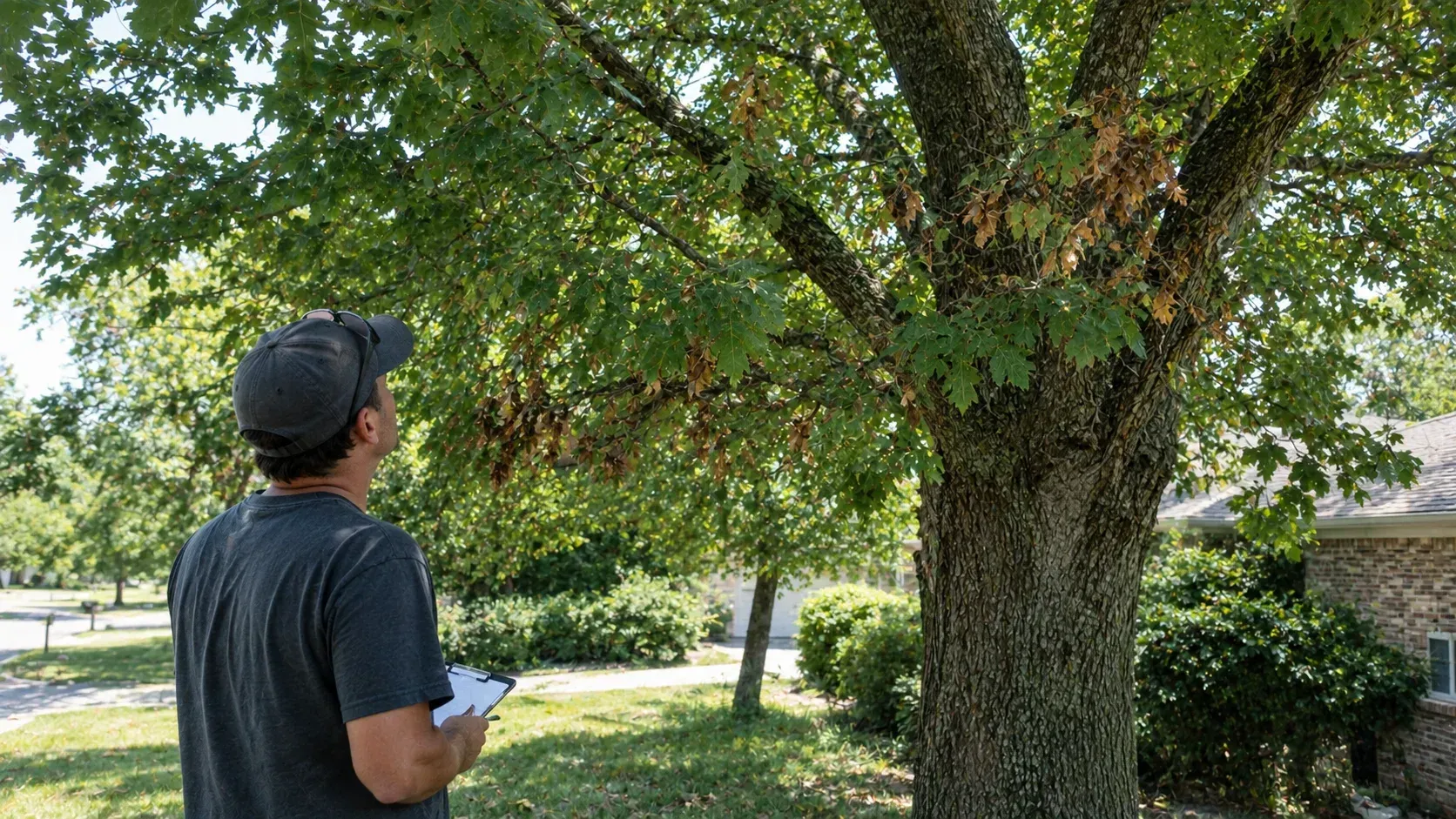
Walk out and look at the tree. Signs the regrowth is epicormic rather than healthy:
- Dense clusters of shoots from a single point on a limb or trunk
- Very straight, upright shoots with no natural branching or taper
- Growth emerging directly from the trunk rather than from existing branches
- A visible cut or wound at the base of each cluster
- Growth rate that looks abnormal compared to the rest of the tree or to similar trees nearby
- Sprouts from the root flare or base, which often indicates stress rather than pruning specifically
- A canopy shaped like a mushroom or a broom, with a dense outer shell and an empty interior
- Foliage only at branch ends, which is the lion's tailing signature
- Shoots rubbing against each other in a crowded cluster
One shoot here and there is normal, particularly after storm damage or on a tree that took some sun exposure. What matters is clustering, location at old cut points, and growth that looks out of proportion to the rest of the tree.
Why Weak Regrowth After Pruning Gets More Dangerous Over Time
The timeline explains why nobody connects the trimming to the eventual failure.
In the first year or two the shoots are small and flexible, and nothing happens. They look like the tree recovering. Around years three to five they are getting substantial, still attached superficially, and starting to crowd each other. By years five to ten they are limb-sized, carrying real weight, on attachments that never developed properly, often over decay that entered at the original cut.
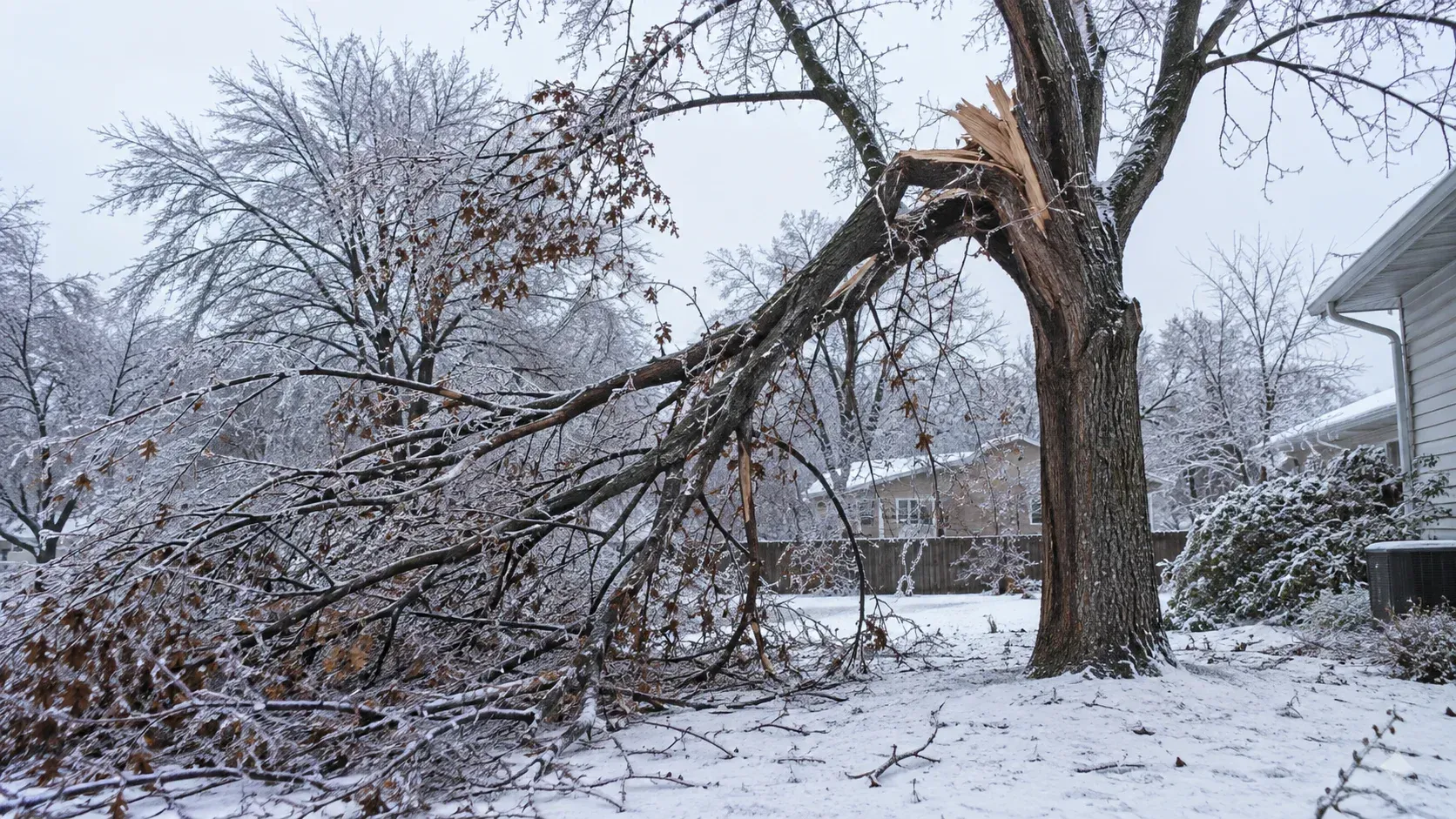
Then a storm arrives, or a heavy wet snow, and one fails. A decade after the trimming, which by then nobody remembers.
Two factors make it worse. The attachment does not improve as the shoot grows, so the weight-to-attachment ratio gets steadily worse. And decay entering at the original wound frequently compromises the very wood the shoots are attached to, so the failure point is weakening from both directions.
What Correct Pruning Looks Like Instead
The alternatives are not complicated, they are just less dramatic:
- Remove less. Take a conservative proportion of live canopy in any one season, and come back another year if more is needed. Staged work over several visits beats one hard cut.
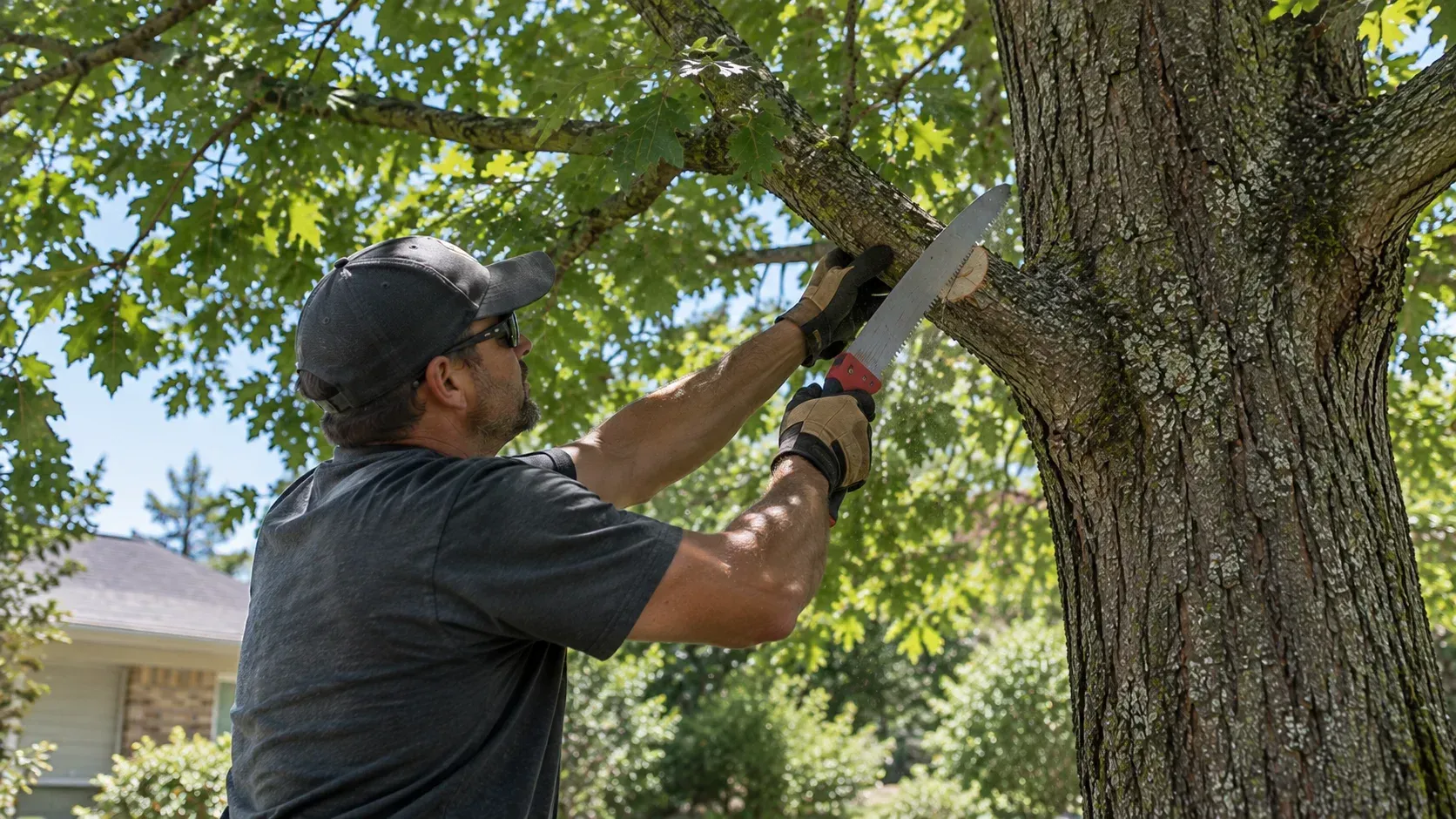
- Cut back to a lateral. Where a branch is being shortened, cut to a side branch large enough to take over as the new leader rather than to an arbitrary point.
- Cut at the collar. Where a branch is being removed entirely, the cut goes just outside the branch collar so the tree can seal it.
- Thin by removing whole branches, distributed through the canopy, rather than stripping the insides of limbs.
- Raise the crown gradually, over several seasons rather than all at once.
- Start young. Small cuts on a young tree shape it permanently and leave wounds that close in a season.
- Have a reason for every cut. Deadwood, clearance, structure, disease. "Tidying it up" is how trees get over-pruned.
Improper trimming can damage trees permanently, which is why the cuts are worth getting right the first time. There is no way to undo a cut.
Can a Badly Trimmed Tree Be Fixed?
Often improved, rarely reversed, and the honest answer depends on how long ago it happened.
Restoration pruning works by selecting the best-placed and best-attached shoots at each cluster and gradually removing the competition, so the tree develops a few reasonable leaders instead of a crowded mass. It happens over several visits across years, because taking it all at once would trigger exactly the stress response that caused the problem.
What affects the odds:
- Time since the damage. A tree trimmed badly two years ago is a far better candidate than one trimmed fifteen years ago with heavy regrowth.
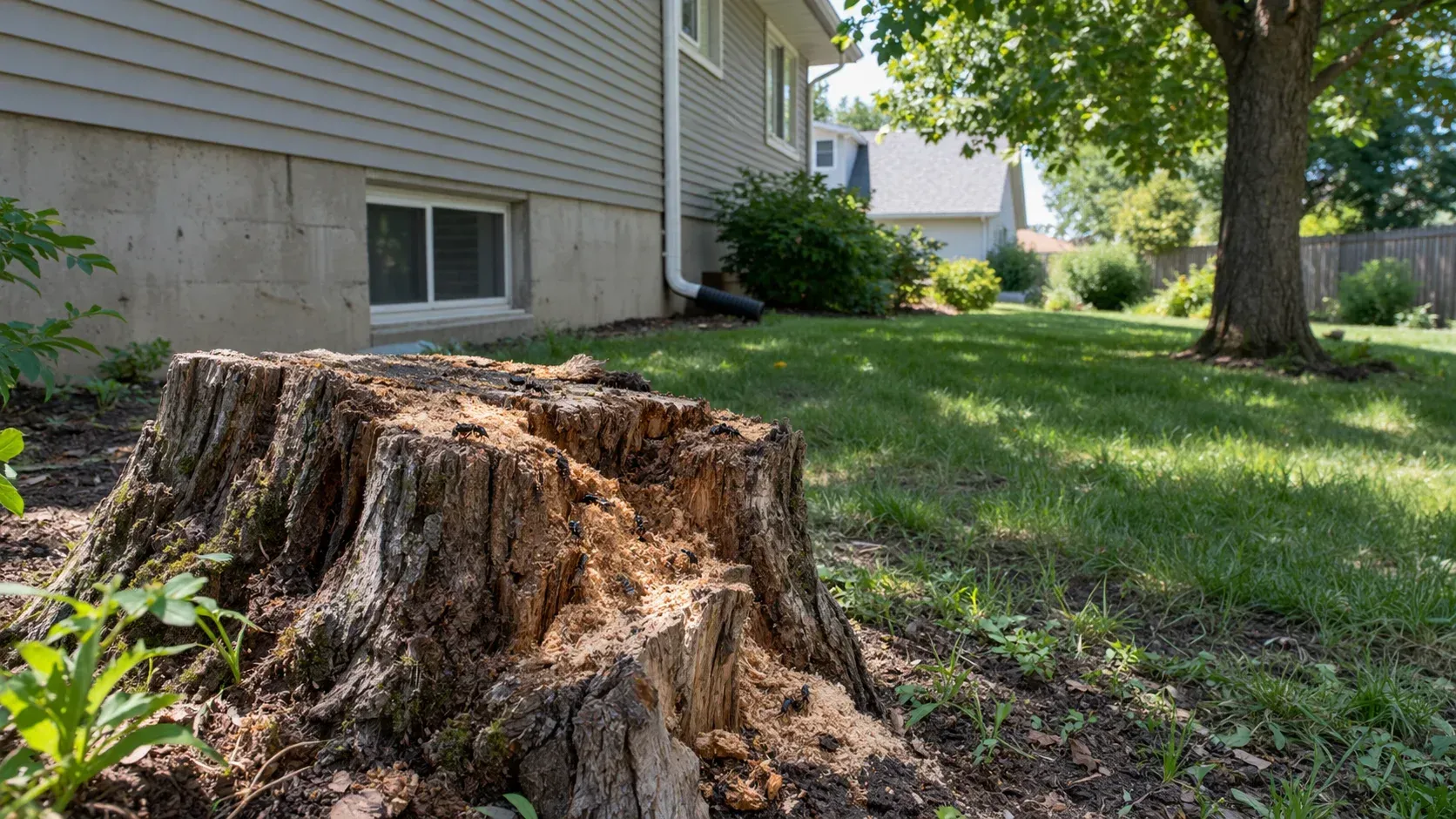
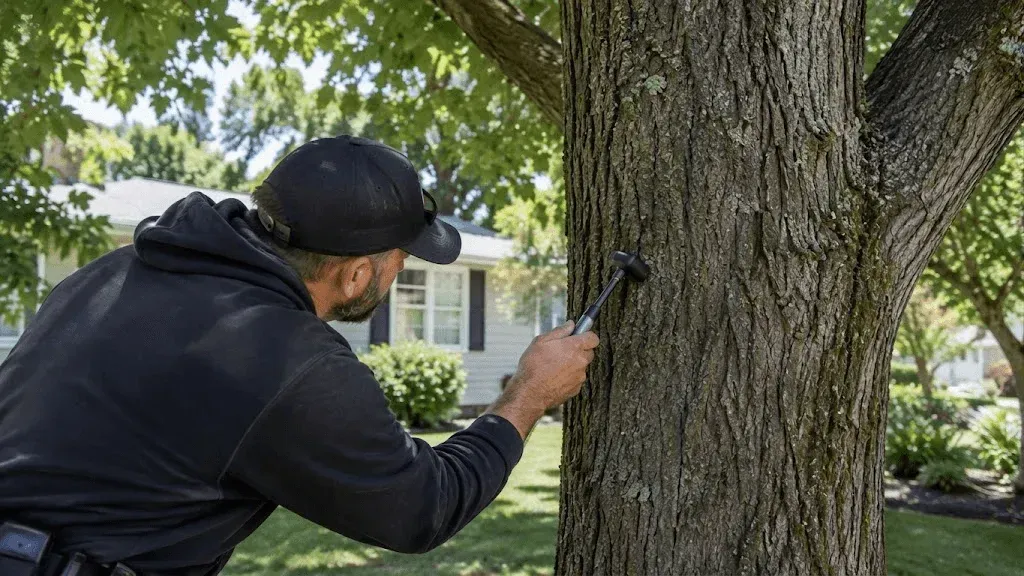
- How much decay entered at the original cuts, which determines whether the attachment points are sound.
- The tree's overall vigour. Restoration draws on reserves.
- The species, since some tolerate this work considerably better than others.
- The target underneath. A tree over a driveway has a lower tolerance for uncertainty than one over lawn.
Sometimes the answer is that restoration is not worth it and removal is the better call. We would rather say that than take money for years of work on a tree that will not come back.
Conclusion
Fast regrowth after trimming is not recovery. It is a tree spending stored energy on emergency shoots that attach to the outer bark and grow faster than they can be supported.
Removing too much at once is the usual cause, whether that happens as topping, as over-thinning, or as a crown raise that took every lower branch in one visit. The damage is delayed by years, which is exactly why the practice persists. If the growth on your tree is clustered, upright and coming out of old cut points, it is worth having someone look before those shoots get heavy.
Have Improper Past Cuts Corrected Before Weak Growth Becomes a Hazard
If a tree was trimmed badly and the regrowth looks wrong, the useful time to start correcting it is before those shoots get large. We inspect the tree's condition and growth pattern before trimming, prune selectively to strengthen structure and balance, and work to maintain the tree's natural shape.
Arbor Barber Tree Service is locally owned and operated in Lakeville, with certified arborists and over 20 years of experience, safety-focused and fully insured. Where regrowth sits on decayed attachment points,
checking what the wood underneath is actually doing is part of the same visit.
We serve Lakeville, Apple Valley, Burnsville, Farmington and Rosemount. Call
(612) 703-0175.