Is It Illegal to Remove a Tree That Sits Directly on a Property Line in Minnesota?
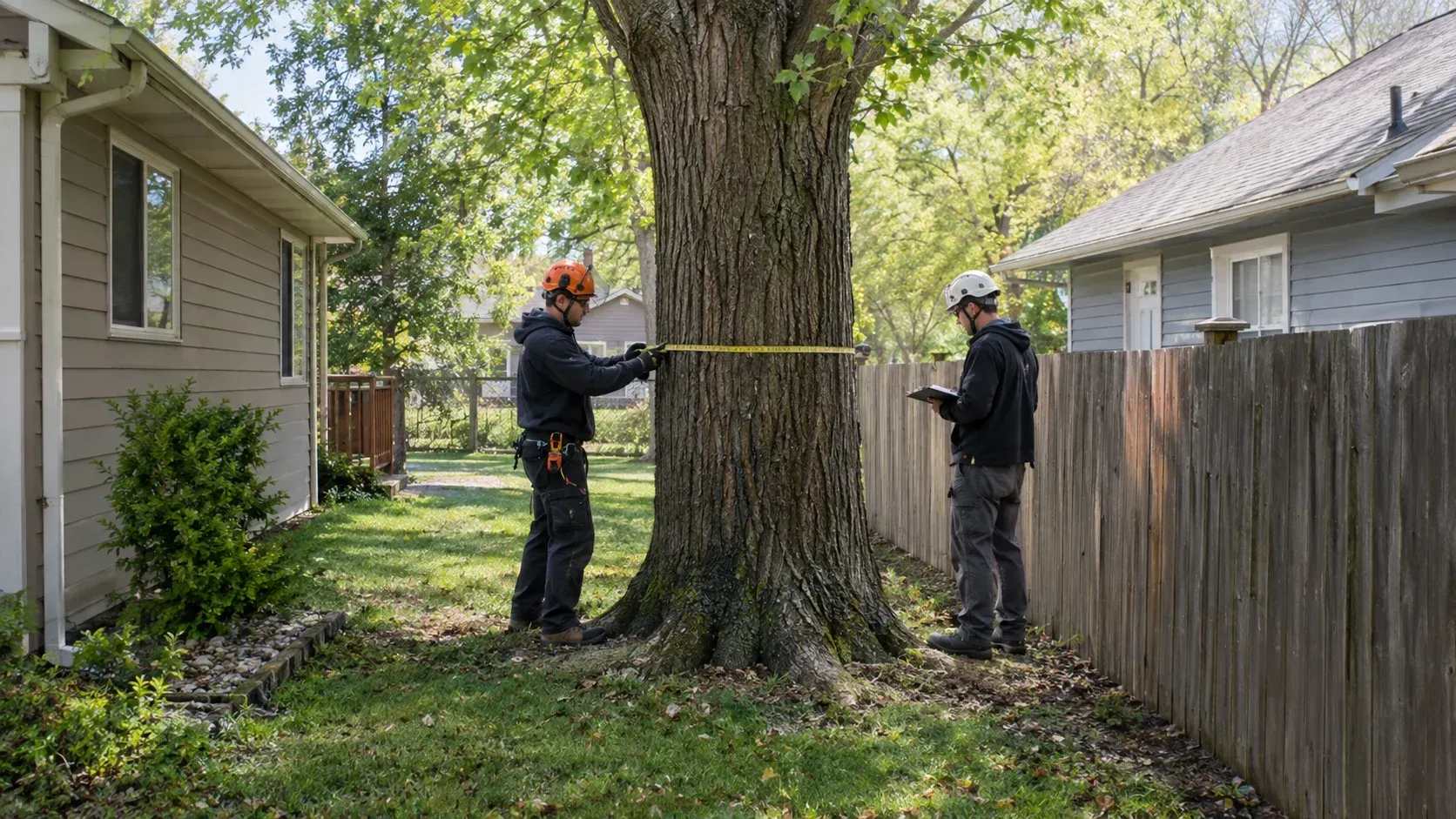
Table of Contents
- Introduction
- Understanding Shared Ownership of Boundary Trees
- What the Law Actually Says About Property Line Trees
- Your Specific Rights to Trim a Neighbor's Tree
- What You Cannot Do - Critical Legal Boundaries
- Shared Liability and Maintenance Responsibility
- Practical Scenarios - How These Laws Play Out
- Branches Hanging Over Your Roof
- Root Damage to Your Foundation
- Disease or Dead Wood
- Disagreement Over Removal
- Common Misconceptions About Boundary Trees
- "If the Majority of the Tree Is on My Side, I Own It"
- "I Can Hire Someone to Remove It if My Neighbor Doesn't Respond"
- "Leaves Falling in My Yard Means I Can Alter the Tree"
- "City or Insurance Requirements Override Neighbor Rights"
- A Step-by-Step Process for Resolving Disputes
- Step 1: Document Carefully
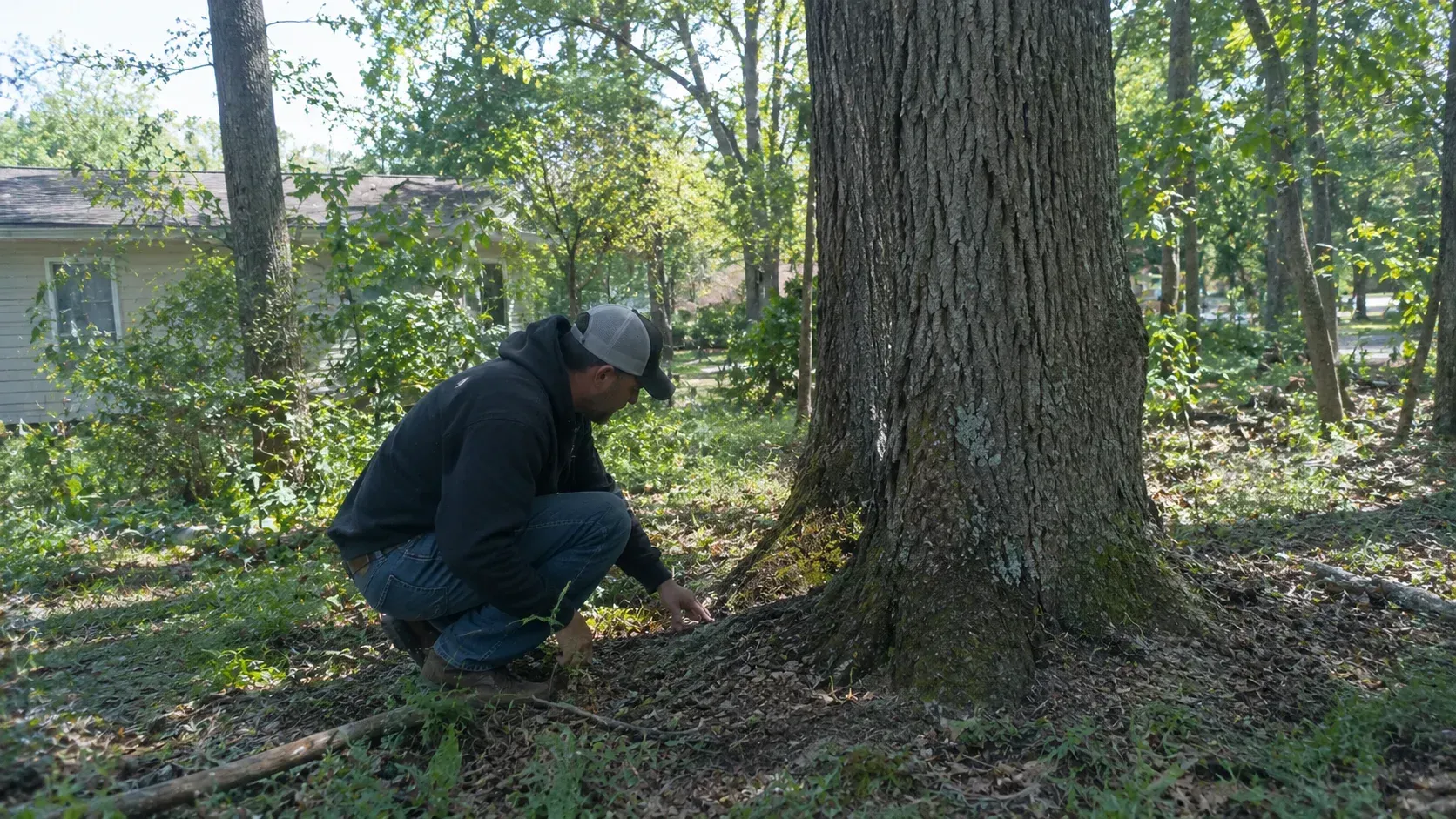
- Step 2: Get Professional Assessment
- Step 3: Approach Directly
- Step 4: Document the Discussion
- Step 5: Try Mediation
- Step 6: Consult an Attorney
- When Professional Assessment Becomes Necessary
- Conclusion
- Next Steps
- Frequently Asked Questions
Key Takeaways
- Trees straddling property lines in Minnesota are jointly owned by both neighbors, and removal requires mutual written consent from both parties
- You can trim branches that cross into your airspace, but only from your side of the property line - crossing onto your neighbor's land or entering their yard to access branches is trespass
- Both property owners share legal responsibility for maintaining the tree safely, and either owner can face liability if negligence allows the tree to cause injury or property damage
- Most boundary tree disputes escalate unnecessarily through poor communication - documenting concerns in writing and attempting direct resolution prevents costly legal battles
- Professional assessment from a certified arborist removes ambiguity about tree location, health, and appropriate next steps before either party takes action
Introduction
No, you cannot legally remove a tree that sits on a property line in Minnesota without your neighbor's written consent, even if the tree is causing problems on your side of the boundary. Minnesota property law treats trees straddling the property line as jointly owned resources, which means both neighbors have equal ownership rights and equal responsibility for the tree's maintenance and condition.
Many property owners in Lakeville and surrounding areas face this exact situation - a large oak tree, maple, or elm sitting right on the boundary line, with branches hanging over one yard, roots potentially affecting a foundation, or limbs posing a hazard during storms. The legal answer is straightforward, but the practical reality is more nuanced. Understanding exactly where your rights begin and where they end can mean the difference between resolving the situation quickly or ending up in a costly dispute.
If you have questions about a specific boundary tree situation on your property, our team of certified arborists can help you understand your options and develop a solution that works for both neighbors.
Understanding Shared Ownership of Boundary Trees
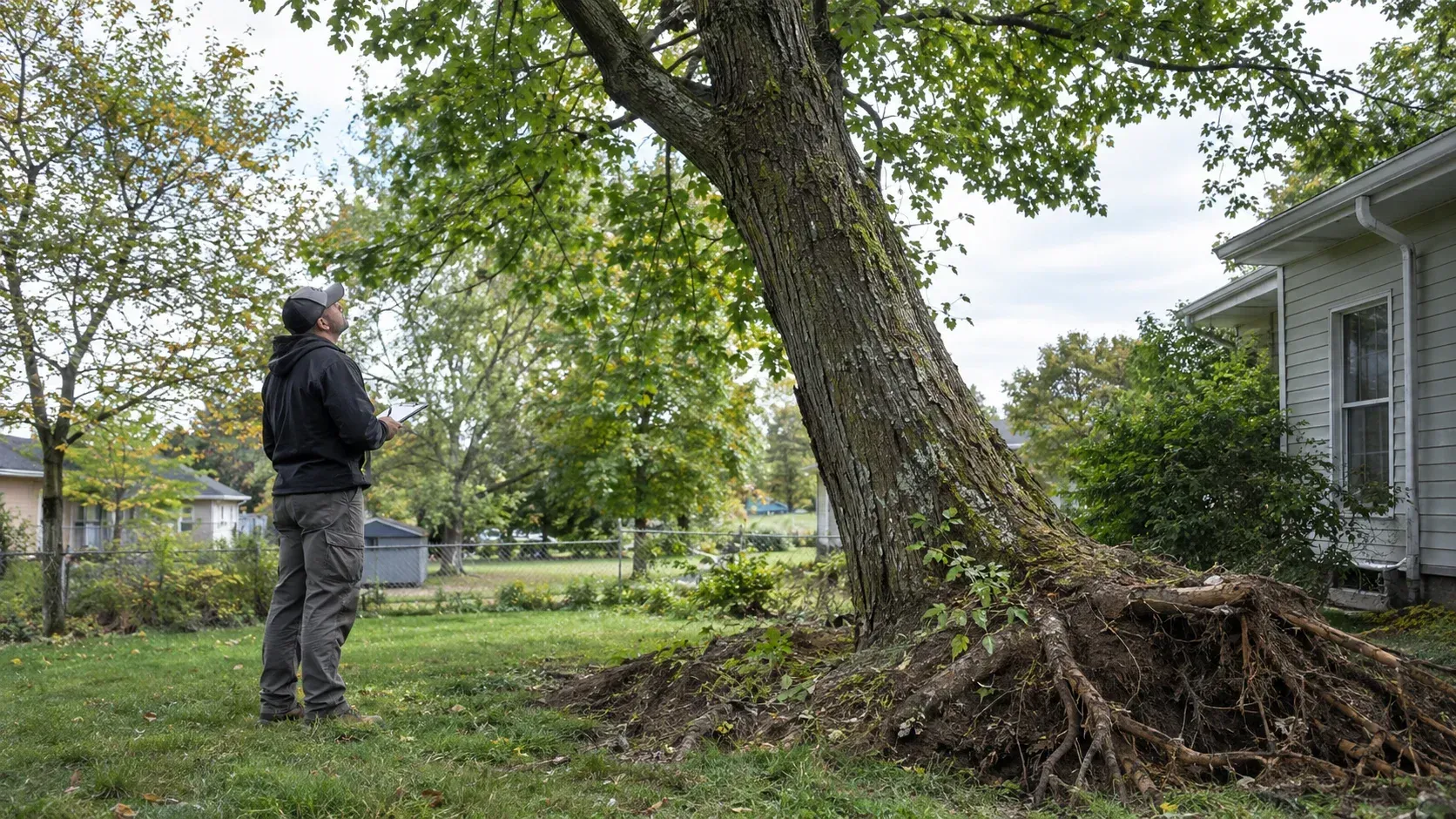
When a tree's trunk sits on the property line, Minnesota recognizes it as a "boundary tree" - a legal category with specific rights and responsibilities. Neither owner can claim exclusive ownership of something sitting on both properties. The shared ownership applies whether the tree is healthy or problematic.
Both owners share benefits (shade, aesthetic value) and liability. This creates an incentive to cooperate rather than conflict. If the tree becomes diseased or hazardous, both owners share responsibility for addressing it.
What the Law Actually Says About Property Line Trees
Minnesota's boundary tree law comes from common law principles (past court decisions) combined with property law and negligence principles. The core rule: neither owner can alter a boundary tree's status without the other's permission. This applies to removal, major pruning, or any action intended to kill or significantly damage it.
Both owners benefit from the tree's presence and share responsibility for risks it creates. If a branch falls and damages your neighbor's property, both neighbors can potentially be liable. A tree survey becomes necessary when disputes develop since the property line location isn't always obvious.
Your Specific Rights to Trim a Neighbor's Tree
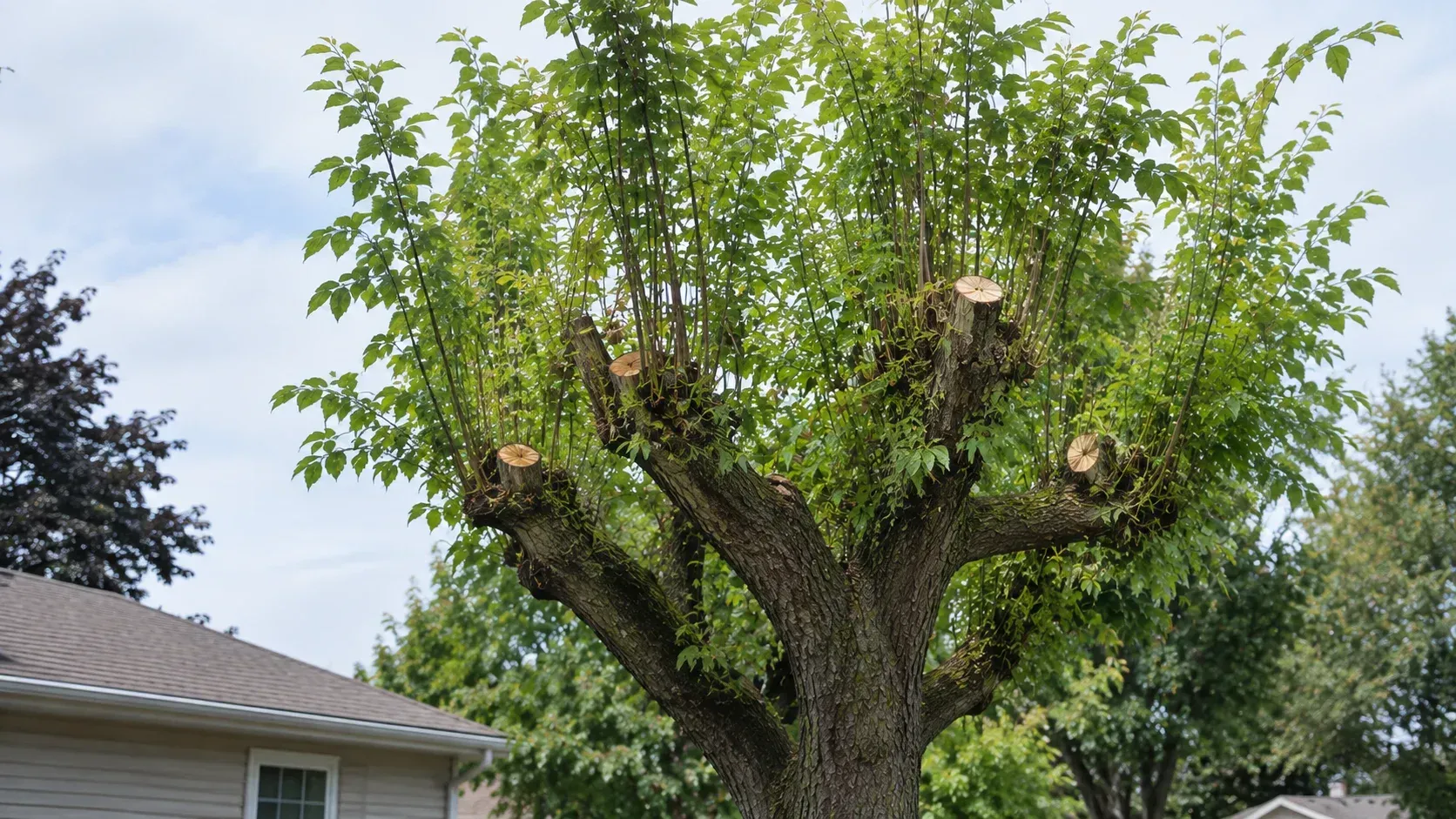
You can trim branches that extend over your property line, but only the portions crossing into your airspace. You own the airspace above your property, so branches invading that space can be trimmed back to the property line.
Important limitations: you can only trim from your side of the property line. You cannot enter your neighbor's property, spray herbicide, or do anything that harms the tree. Careless work that kills the tree creates liability.
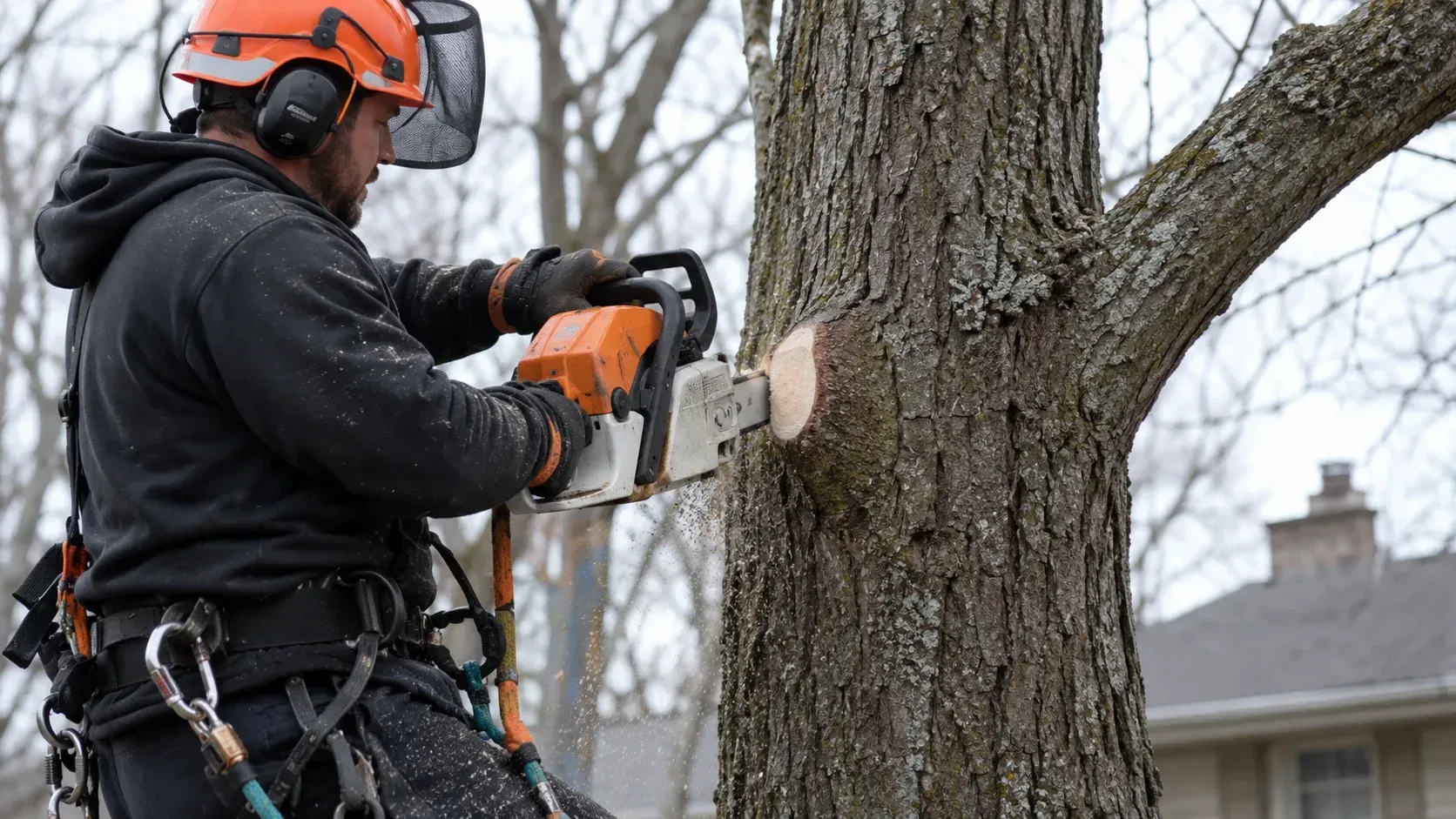
When hiring a tree trimming service, give advance notice to your neighbor. This prevents misunderstandings and maintains neighborly relations. For significant work, getting their permission and having them present during the work prevents disputes.
What You Cannot Do - Critical Legal Boundaries
You cannot remove a boundary tree or hire someone to remove it without explicit written consent from your neighbor. Mutual agreement is required, even if the tree seems hazardous. The only exception is an immediate life-threatening emergency (a tree actively falling during a storm).
You cannot apply herbicide, poison, or toxic substances to weaken or kill a boundary tree. This constitutes intentional property damage with serious legal and potentially criminal liability.
You cannot hire a tree service to work on the neighbor's side of the tree without their permission. This includes pruning, removing dead wood, or disease treatment. It's trespass without permission.
You cannot ignore hazardous conditions on the assumption it's "their problem." Both owners share responsibility. If you notice dead limbs, disease, or structural issues, you have a legal obligation to inform your neighbor and work toward resolution.
Shared Liability and Maintenance Responsibility
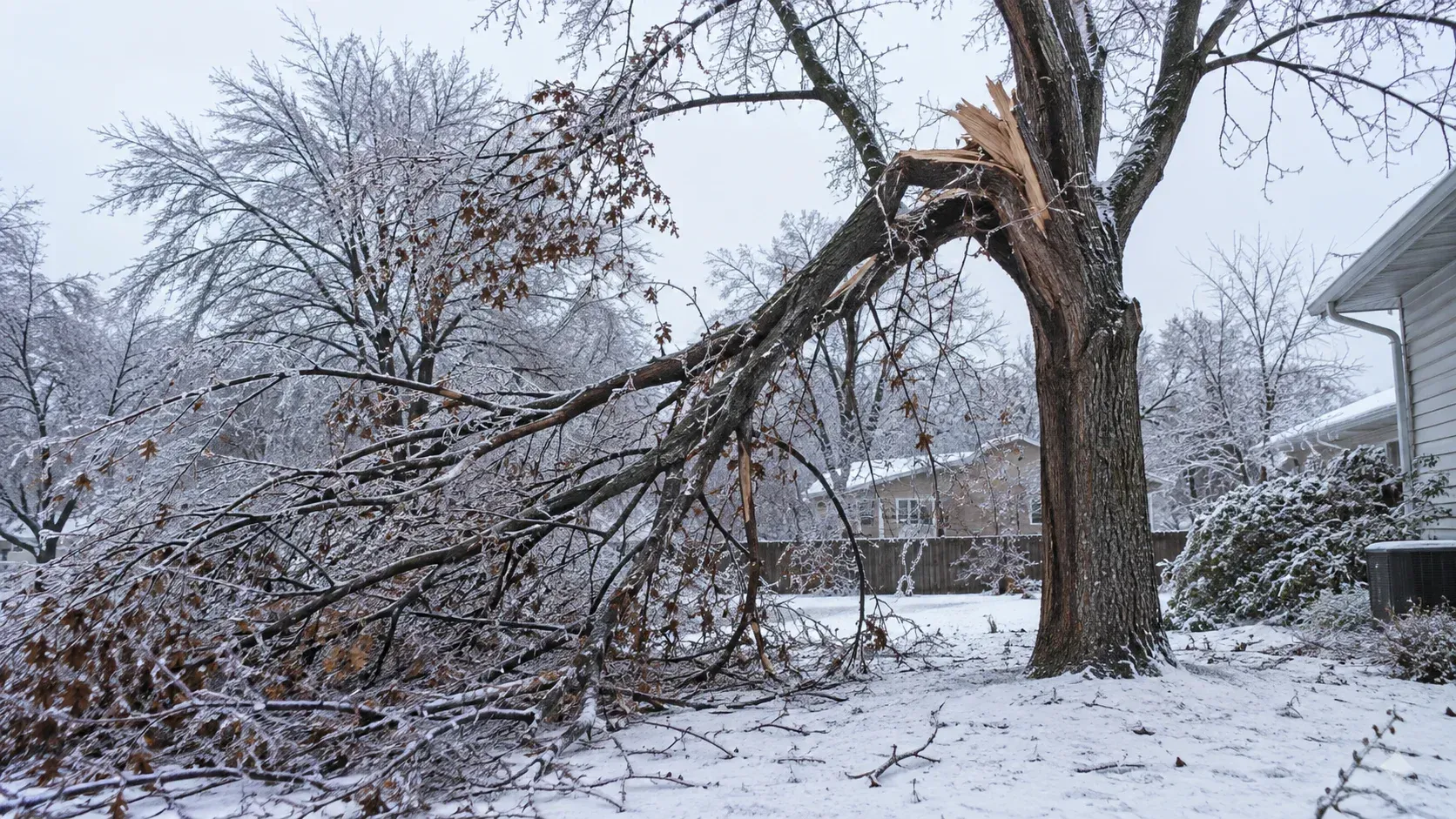
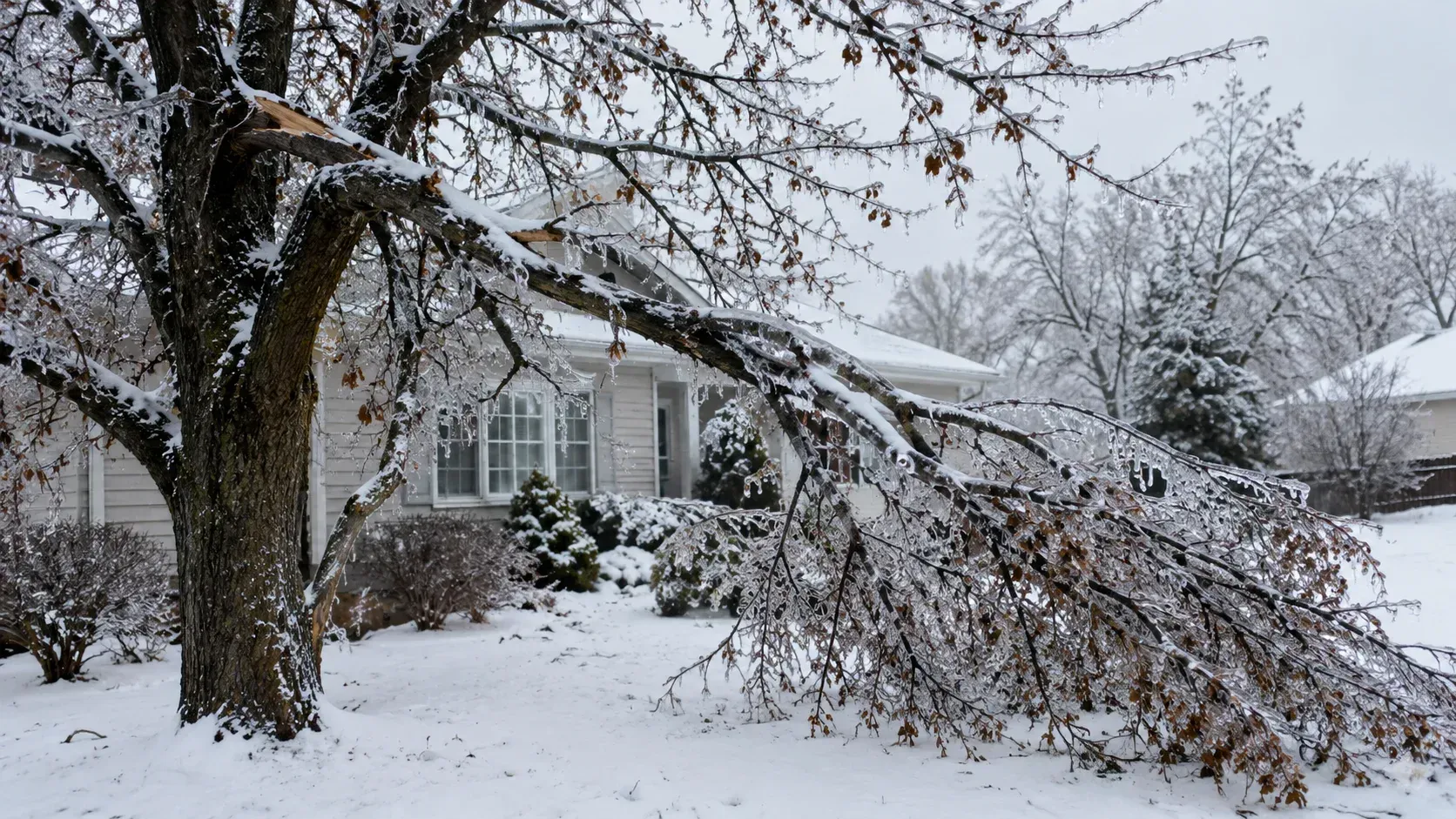
Under Minnesota negligence law, both owners of a boundary tree share duty to maintain it safely. If a dead limb falls and causes injury or damage, both neighbors can potentially be sued for negligence.
You cannot ignore problems if aware of them. Your inaction doesn't protect you - it exposes you. If you notice disease, dead wood, structural damage, or instability, notify your neighbor in writing. This documents that you acted responsibly and starts a conversation before problems become dangerous.
Practical Scenarios - How These Laws Play Out
Branches Hanging Over Your Roof
You can trim branches back to the property line using a tree trimming service. Notifying your neighbor maintains good relations and prevents complications.
Root Damage to Your Foundation
Requires written notification and professional assessment. Both owners share responsibility for genuine hazards. Refusal to address documented damage may create liability.
Disease or Dead Wood
Inform your neighbor in writing and suggest having a certified arborist assess the tree together. Documentation protects you if liability issues arise.
Disagreement Over Removal
Your neighbor cannot remove a boundary tree without your consent. Genuine hazards may require both owners to address the problem through assessment, mediation, or legal intervention.
Common Misconceptions About Boundary Trees
"If the Majority of the Tree Is on My Side, I Own It"
Actual rule: If any part of the trunk is on the property line, it's a boundary tree in Minnesota. Ownership doesn't depend on which side has more foliage or roots - only on where the trunk sits.
"I Can Hire Someone to Remove It if My Neighbor Doesn't Respond"
Actual rule: Non-response doesn't equal consent. Removing a boundary tree without explicit written agreement exposes you to a lawsuit. You need documented mutual consent or a court order, even if removal seems justified.
"Leaves Falling in My Yard Means I Can Alter the Tree"
Actual rule: Normal debris doesn't change ownership or your rights. You cannot remove or significantly alter a boundary tree without agreement or legal action based on genuine hazard.
"City or Insurance Requirements Override Neighbor Rights"
Actual rule: A city can order dangerous tree removal for public safety, and insurance can recommend it, but these don't eliminate your neighbor's legal rights to the tree. Private ownership rights remain.
A Step-by-Step Process for Resolving Disputes
Step 1: Document Carefully
Take photos of concerning conditions, note timing and specific problems, document impact.
Step 2: Get Professional Assessment
Have a certified arborist evaluate the tree before approaching your neighbor. Professional opinion removes emotion and provides factual information for discussion.
Step 3: Approach Directly
Schedule a conversation with your neighbor explaining what you've observed and what professional assessment indicates. Listen to their perspective.
Step 4: Document the Discussion
Send an email summarizing what you discussed and what you've agreed to do or investigate further.
Step 5: Try Mediation
If direct conversation doesn't work, many communities offer mediation services where a neutral third party helps both sides reach agreement.
Step 6: Consult an Attorney
If disputes become serious, consult a real estate attorney familiar with Minnesota property law. Legal action should be a last resort.
When Professional Assessment Becomes Necessary
A land surveyor can determine if the tree actually straddles the property line or sits entirely on one side - this changes the legal situation significantly. A certified arborist can evaluate tree health, identify legitimate risks, and determine what options exist. Professional documentation strengthens your position if disputes develop and provides factual basis if legal action becomes necessary. A real estate attorney can clarify your legal rights and help prevent costly mistakes.
Conclusion
Boundary trees in Minnesota are jointly owned when the trunk sits on the property line. Both neighbors have equal rights and responsibility. You cannot remove a boundary tree without your neighbor's written consent, but you can trim branches extending into your airspace.
The shared ownership and liability create incentive for cooperative problem-solving. Most boundary tree situations resolve through clear communication, professional assessment, and willingness to work together. Early action, documentation, and neighborly communication prevent disputes from becoming expensive legal battles.
Need Help With Your Boundary Tree?
If you're facing a boundary tree situation in Lakeville and want professional guidance before taking any action, our certified arborists can assess your specific situation. We help property owners understand their legal position, evaluate tree health, and develop an approach that works for both neighbors.
Ready to talk through your options?
Contact Arbor Barber Tree Service at (832) 703-0175. We serve Lakeville and surrounding communities and are available for consultations about your property.
Frequently Asked Questions
Can I trim my neighbor's tree branches without asking permission?
You can trim branches crossing into your airspace on your side of the property line. You cannot enter your neighbor's property or damage the tree. Notifying your neighbor prevents misunderstandings.
What if a boundary tree is damaging my property?
Document damage with photos and inform your neighbor in writing. Both share responsibility for maintaining safe trees. If they refuse to address genuine hazards, attempt resolution and mediation first.
If a tree is partially on my property, can I remove it?
If any part of the trunk is on the property line, it's a boundary tree requiring your neighbor's consent. If the trunk sits entirely on your property, you have more authority to remove it.
What if my neighbor wants to remove it and I don't?
Your neighbor cannot remove a boundary tree without your consent. If the tree is genuinely dangerous, both may share responsibility. Disagreement requires professional assessment or mediation.
Can I hire a tree service to work on the neighbor's side?
No. Hiring a contractor doesn't change the requirement for your neighbor's permission. Contractors cannot work on their side without consent.
Recent Posts